July 9, 2026
A driveway does more than provide a place to park your vehicle. It contributes to curb appeal, supports daily traffic, and plays an important role in the overall functionality of a property. Among the many materials available for residential driveways, concrete remains one of the most popular choices due to its durability, versatility, and long-term value.
A well-installed concrete driveway can withstand years of vehicle traffic while maintaining a clean, attractive appearance. Homeowners often choose concrete because it offers a balance between affordability and performance. Whether you are considering a new installation or replacing an existing surface, understanding the benefits, maintenance requirements, costs, lifespan, and environmentally friendly options can help you make an informed decision.
What Are the Benefits of a Concrete Driveway?
One of the primary reasons homeowners choose a concrete driveway is its durability. Concrete is designed to support heavy loads and withstand frequent vehicle use. When installed correctly, it can resist cracking, shifting, and other common forms of wear better than many alternative materials.
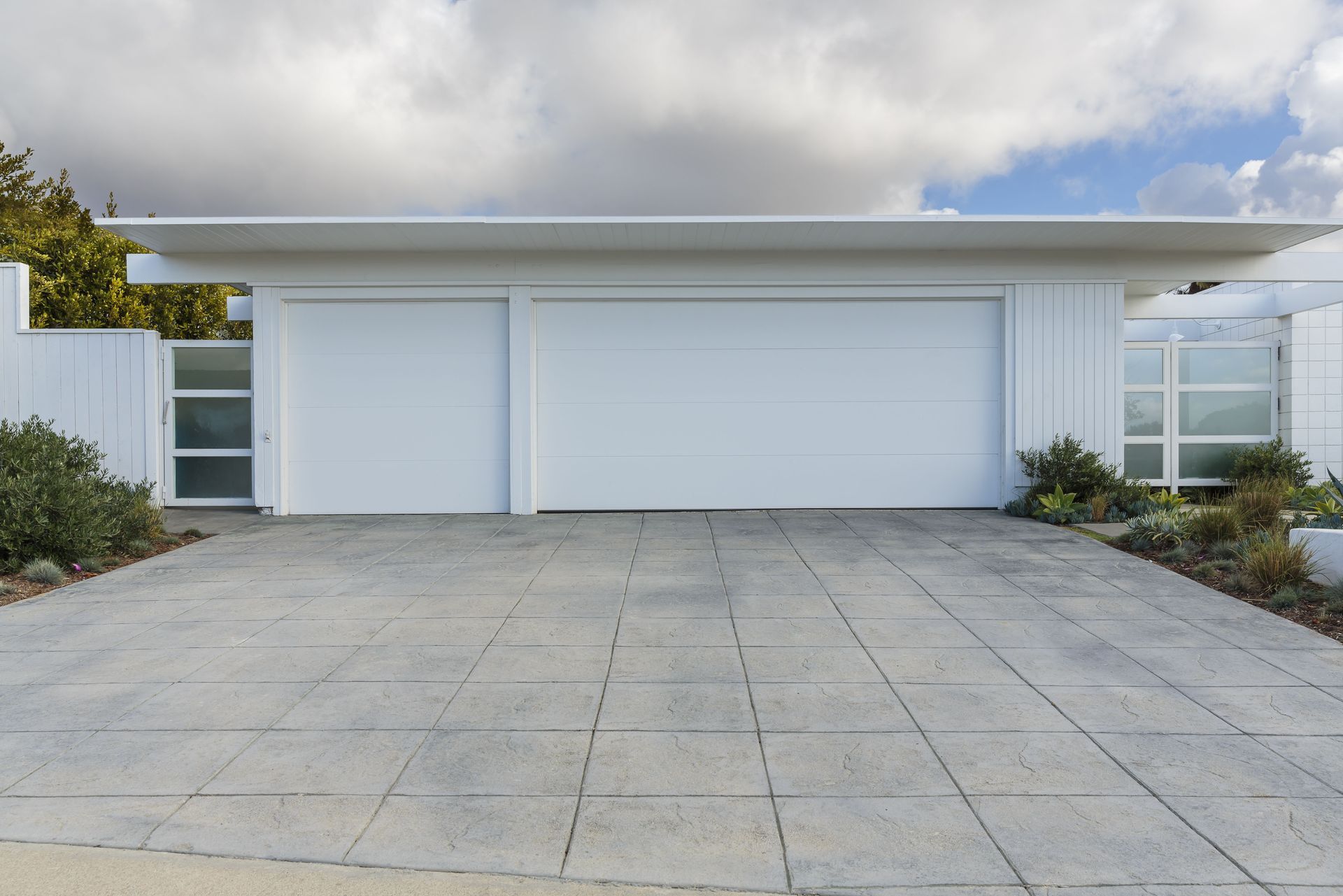
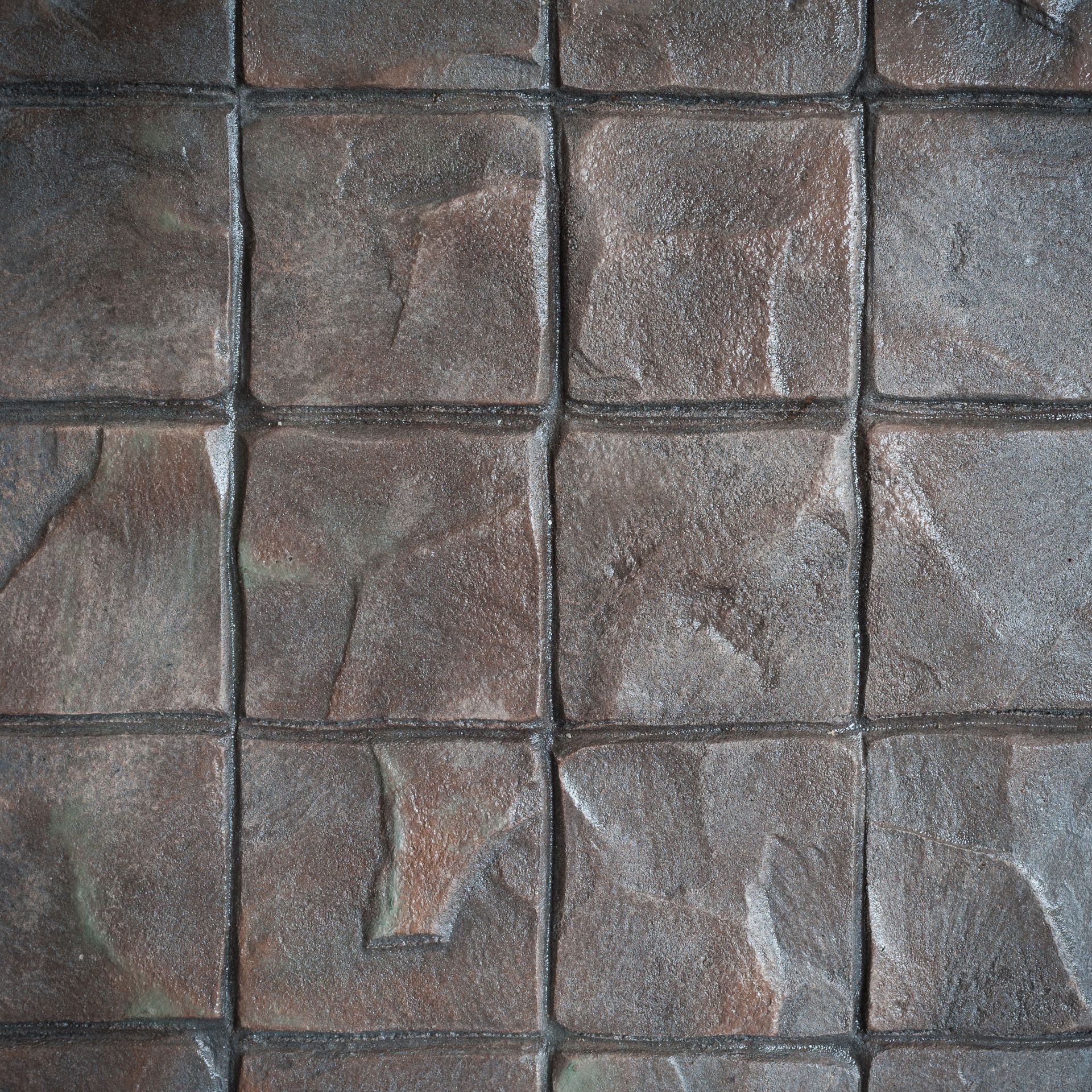
Another advantage is its appearance. A concrete driveway creates a clean, polished look that complements a wide range of architectural styles. Modern installation techniques allow homeowners to customize the surface with decorative finishes, stamped patterns, exposed aggregate, and color enhancements. These options make it possible to achieve a unique appearance without sacrificing strength.
Concrete is also known for its relatively low maintenance requirements. Unlike gravel surfaces that require periodic replenishment and leveling, concrete provides a stable and consistent driving surface. This reduces the amount of ongoing upkeep needed to keep the driveway looking its best.
Property value may also benefit from a professionally installed concrete driveway. Potential buyers often appreciate durable exterior features that require minimal maintenance. A driveway in good condition can contribute to a positive first impression and improve overall curb appeal.
Concrete performs well in a variety of weather conditions as well. It can withstand exposure to sunlight, rain, and temperature fluctuations when properly installed and maintained. This makes it a practical option for homeowners in many different climates.
How Do You Maintain a Concrete Driveway?
Although concrete is highly durable, regular maintenance can help maximize the lifespan of the surface and preserve its appearance. Fortunately, maintaining a concrete driveway is generally straightforward.
Routine cleaning is one of the most important maintenance tasks. Dirt, leaves, oil, and other debris can accumulate over time, potentially causing staining or surface discoloration. Sweeping regularly and washing the surface with water can help keep the driveway clean. For stubborn stains, specialized cleaning products may be necessary.
Sealing is another valuable maintenance practice. Applying a quality concrete sealer helps protect the surface from moisture infiltration, chemical exposure, and staining. Depending on local weather conditions and traffic levels, homeowners may choose to reseal their driveway every few years to maintain optimal protection.
Addressing small cracks promptly can also prevent larger issues from developing. Minor cracks may occur due to normal settling or environmental conditions. Repairing these imperfections early can help reduce the risk of water intrusion and further deterioration.
Proper drainage is equally important. Standing water can contribute to surface damage over time, particularly in regions that experience freeze-thaw cycles. Ensuring that water flows away from the driveway helps protect the concrete and reduces the likelihood of long-term structural issues.
What Are the Costs Involved in Installing a Concrete Driveway?
The cost of installing a concrete driveway varies depending on several factors, including driveway size, site conditions, design preferences, and local labor rates. While concrete may require a larger upfront investment than some alternatives, many homeowners view it as a worthwhile long-term investment.
One of the primary cost factors is the amount of material required. Larger driveways naturally require more concrete, resulting in higher material and labor expenses. The thickness of the slab may also affect costs, particularly if the driveway is intended to support heavier vehicles.
Site preparation can significantly influence the total project budget. Existing surfaces may need to be removed, grading may be necessary, and the soil may require stabilization before installation can begin. These preparatory steps contribute to the overall quality and longevity of the finished product.
Decorative features can increase project costs as well. Homeowners who choose stamped concrete, colored finishes, custom borders, or exposed aggregate designs should expect additional expenses compared to a standard installation. However, these enhancements can create a more distinctive appearance and improve visual appeal.
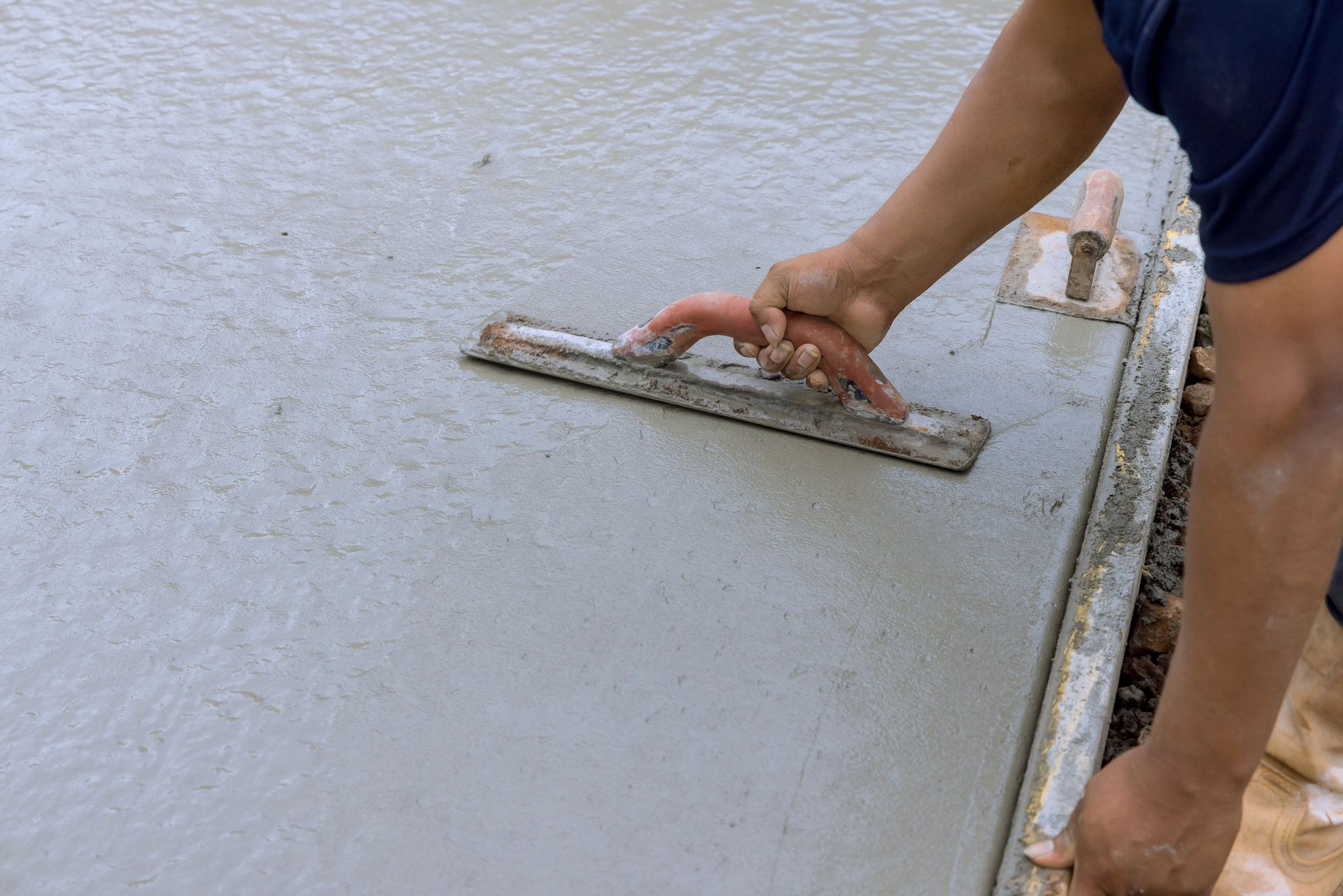
Labor costs represent another important component of the investment. Experienced contractors help ensure proper site preparation, reinforcement placement, pouring, finishing, and curing. Professional installation often plays a major role in determining how well a concrete driveway performs over time.
Although the initial cost may seem substantial, many homeowners appreciate the long lifespan and relatively low maintenance expenses associated with concrete. Over the years, these advantages can contribute to favorable overall value.
How Long Does a Concrete Driveway Last?
Longevity is one of the most appealing characteristics of a concrete driveway. When properly installed and maintained, concrete can provide decades of reliable performance.
Many driveways remain functional for 30 years or more. Factors such as climate, traffic volume, installation quality, and maintenance practices all influence the lifespan of the surface. Proper construction techniques help establish a solid foundation capable of supporting daily use for many years.
The composition of concrete also contributes to its strength. According to the National Ready Mixed Concrete Association, most concrete contains approximately 60% to 75% aggregates. These aggregates play an important role in providing structural stability and durability, helping concrete withstand the demands of regular vehicle traffic.
Routine maintenance can further extend service life. Cleaning, sealing, and repairing minor damage help protect the surface from environmental stress and moisture-related issues. Homeowners who remain proactive about maintenance often enjoy better long-term performance from their driveway.
Environmental conditions may affect lifespan as well. Areas with severe winters, frequent freeze-thaw cycles, or heavy precipitation can place additional stress on concrete surfaces. However, proper installation practices and ongoing care can help minimize the impact of these challenges.
The quality of workmanship is another critical factor. A professionally installed concrete driveway is more likely to resist premature cracking, settling, and surface deterioration. Choosing experienced contractors often results in a more durable and dependable finished product.
Are There Any Eco-Friendly Options for Concrete Driveways?
As sustainability becomes increasingly important, many homeowners are exploring environmentally conscious construction choices. Fortunately, several eco-friendly options are available for those interested in a concrete driveway.
One option involves using recycled materials within the concrete mix. Recycled aggregates can reduce demand for newly extracted materials while still providing strength and performance. This approach helps conserve natural resources and may reduce the environmental impact of the project.
Permeable concrete systems offer another environmentally friendly alternative. These specialized surfaces allow water to pass through the pavement and into the ground below. Improved water infiltration can help reduce stormwater runoff and support natural groundwater replenishment.
Locally sourced materials may also contribute to sustainability goals. Reducing transportation distances can lower emissions associated with material delivery while supporting regional suppliers and manufacturers.
Concrete's longevity provides environmental benefits as well. Because a concrete driveway often lasts for decades, fewer replacement projects may be required over time. This reduces material consumption and construction-related waste throughout the lifespan of the driveway.
A concrete driveway remains one of the most practical and popular choices for residential properties. Its durability, attractive appearance, low maintenance requirements, and long lifespan make it a valuable investment for many homeowners. While installation costs vary based on project size and customization, the long-term benefits often outweigh the initial expense.
With proper maintenance, a
concrete driveway can provide reliable performance for decades while enhancing curb appeal and property value. Homeowners interested in sustainability can also explore eco-friendly options such as recycled materials, permeable concrete systems, and lower-carbon concrete products. By understanding the advantages and considerations involved, property owners can make informed decisions that support both functionality and long-term value. If you're considering a concrete driveway, reach out to HMV Concrete today!