July 28, 2026
A driveway is one of the most frequently used parts of a residential property. It supports vehicles, creates a clear path to the garage or parking area, and contributes to the first impression visitors have of the home. Because it must withstand daily traffic, changing weather, moisture, and ground movement, the material chosen for this surface can affect both appearance and long-term maintenance. Homeowners often compare asphalt, gravel, pavers, and other options before deciding which one offers the best balance of strength, value, and visual appeal.
A concrete driveway is a popular choice because it provides a durable, stable, and customizable surface that can serve a property for decades. When properly designed and installed, it can handle repeated vehicle loads, resist many common forms of wear, and require relatively simple upkeep. It can also be shaped, colored, or textured to complement the style of the home. Understanding its advantages can help property owners make a confident decision when planning a new installation or replacing an aging surface.
Improving Long-Term Durability
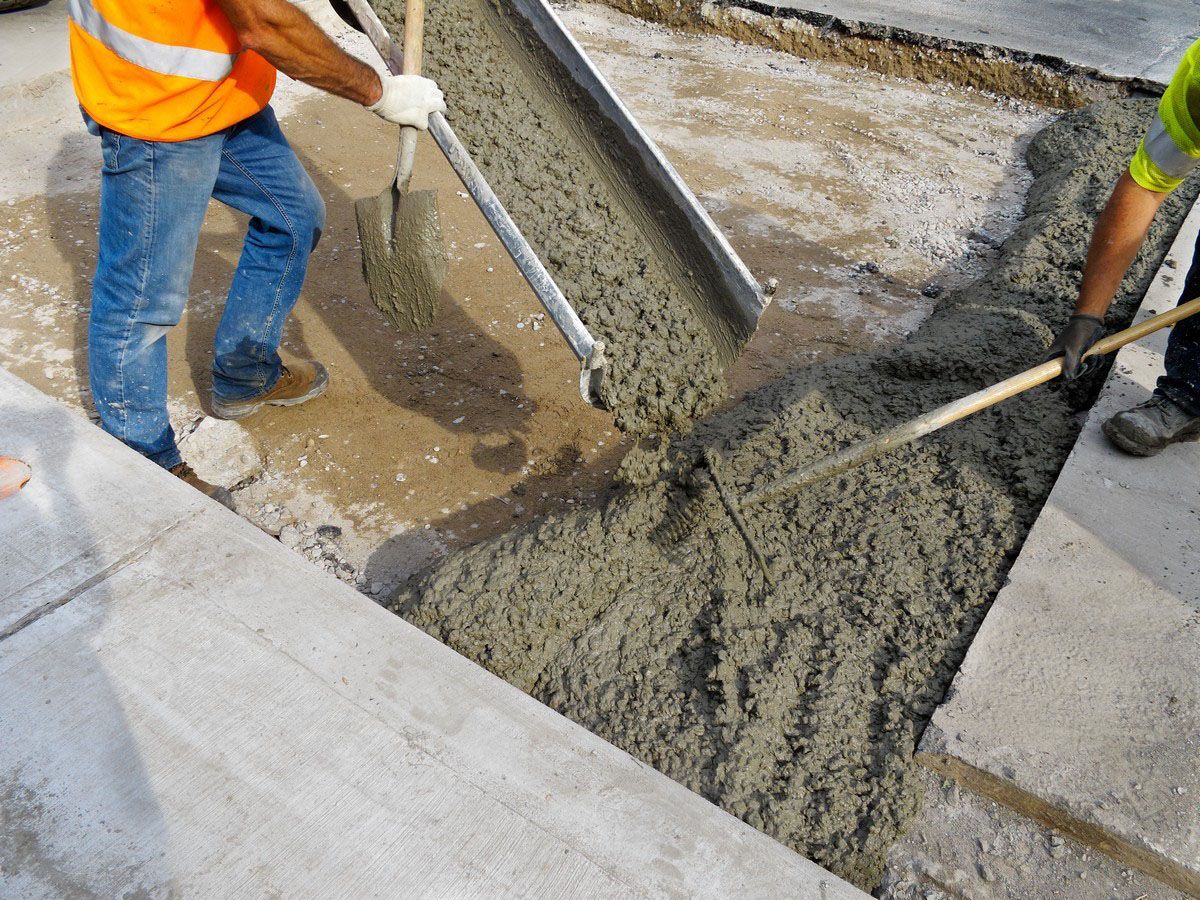
Durability is one of the most important reasons homeowners choose concrete. The material develops significant compressive strength as it cures, allowing it to support cars, trucks, trailers, and other heavy loads. A properly prepared base, suitable concrete mixture, correct slab thickness, and well-placed reinforcement all contribute to performance. When these elements are handled carefully, the finished surface is less likely to rut, shift, or develop depressions from normal residential use.
According to the Michigan Concrete Association, a properly constructed concrete driveway can provide 30 to 40 years of service. That long service life can make the material especially attractive to homeowners who want to avoid frequent replacement. Weather exposure, drainage, soil conditions, and maintenance still influence longevity, but professional installation helps reduce preventable problems. Control joints, proper curing, and careful grading allow the surface to respond more effectively to seasonal temperature changes and everyday pressure.
Reducing Routine Maintenance
Every driveway requires some care, but concrete generally has straightforward maintenance needs. Routine sweeping and occasional washing can remove leaves, dirt, automotive residue, and other debris. Sealing may also be recommended at intervals based on climate, usage, and surface finish. Compared with materials that may need frequent resurfacing, regrading, or replenishment, concrete gives homeowners a stable surface that can remain functional with relatively modest attention.
Small cracks should be evaluated and repaired before water enters and causes further deterioration. Homeowners should also avoid using harsh deicing chemicals that may damage the surface, especially during the first winter after installation. Keeping drainage areas clear and addressing oil spills promptly can preserve appearance. With these basic steps, a concrete driveway can continue to look clean and perform reliably without creating a demanding maintenance schedule.
Enhancing Property Appearance
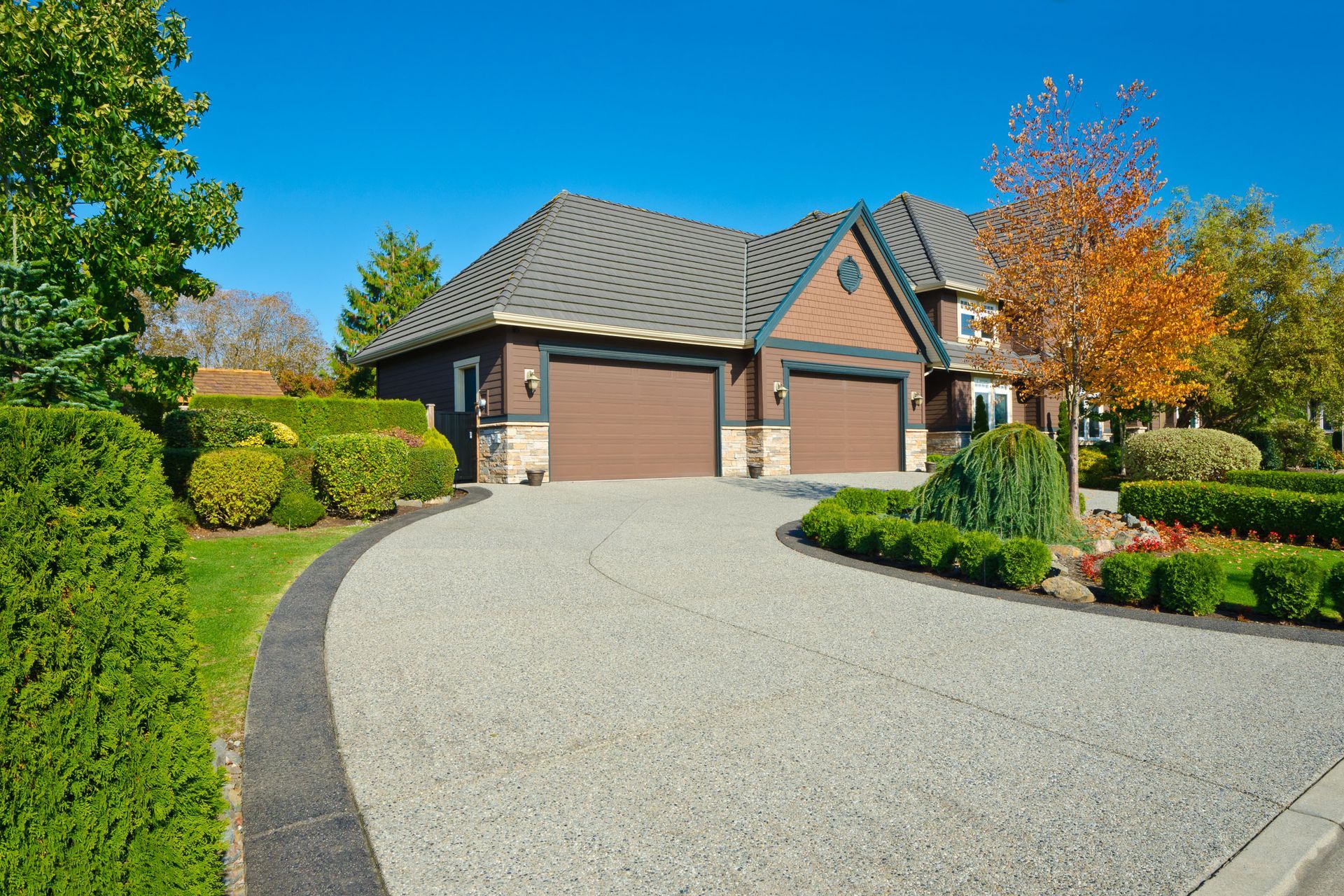
A driveway occupies a large visible area, so its appearance can strongly influence the overall look of a property. Fresh concrete creates a neat, uniform surface that can make the approach to a home feel more organized and finished. Clean edges and a well-planned layout can also connect the driveway visually with sidewalks, patios, entryways, and landscaping. This helps the exterior feel intentional rather than pieced together over time.
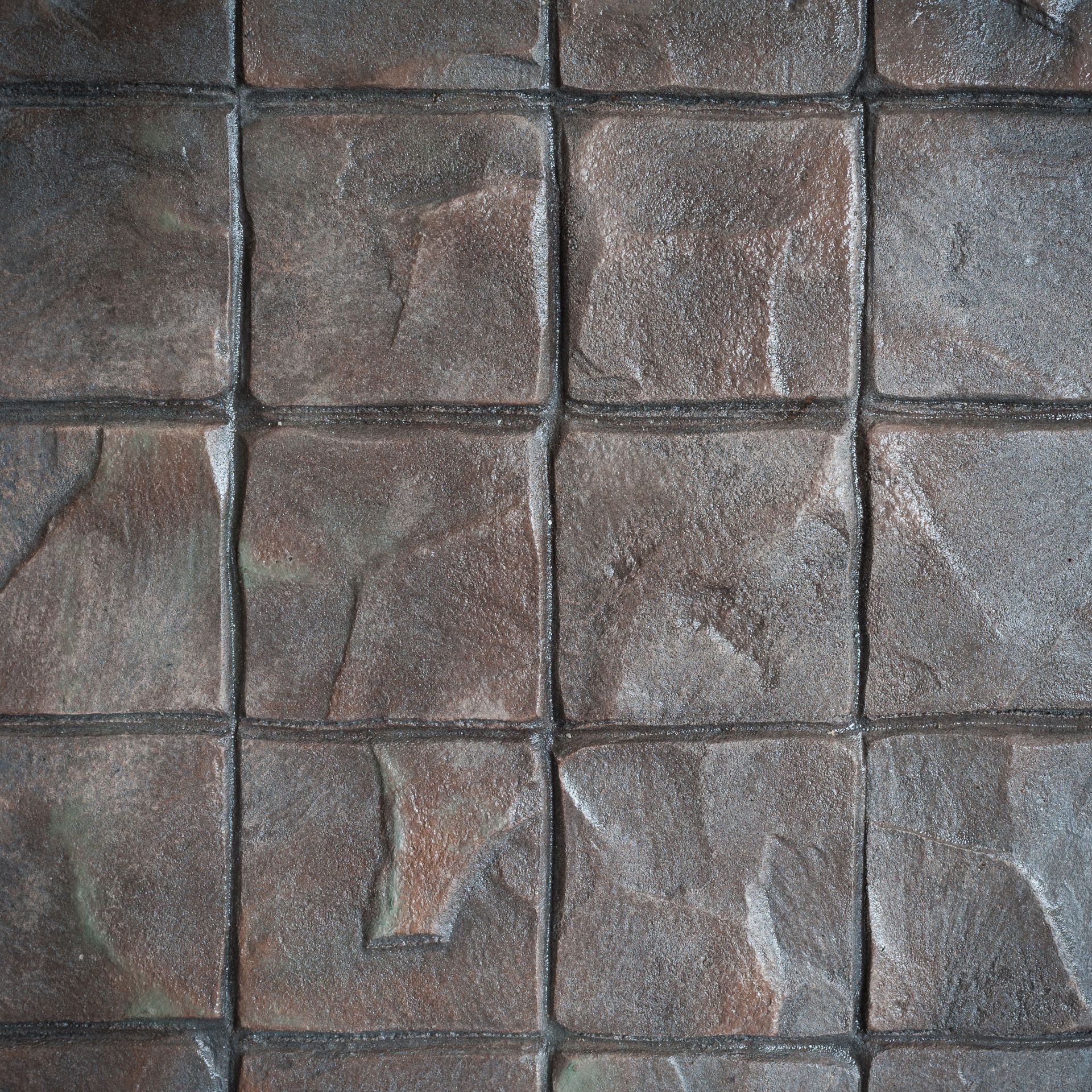
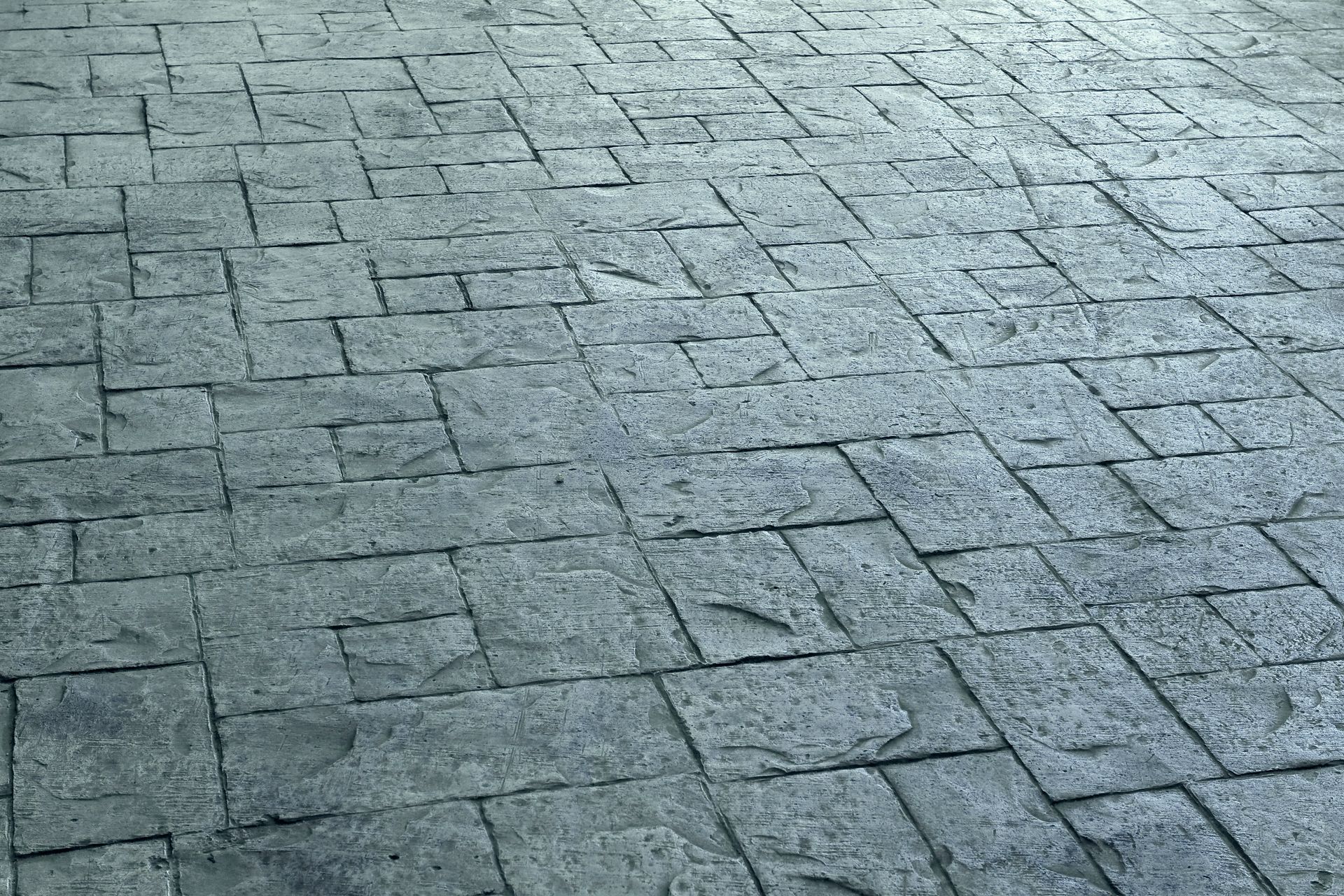
Homeowners are not limited to a basic gray slab. Decorative options may include integral color, surface stains, exposed aggregate, borders, scoring patterns, and stamped textures. These features can complement brick, stone, siding, or other exterior materials. A customized finish allows the driveway to support the architectural character of the home while still delivering the practical benefits expected from a durable paved surface.
Supporting Heavy Vehicle Loads
Residential driveways may need to support more than passenger cars. Pickup trucks, recreational vehicles, work vans, boats, delivery vehicles, and trailers can place considerable pressure on the surface. A concrete driveway is well suited to these demands when the slab and base are designed for the expected loads. Proper thickness and reinforcement help distribute weight and limit stress that might otherwise contribute to cracking or settlement.
Planning for vehicle use before installation is essential. A household that regularly parks heavier equipment may need a different design than one that uses the driveway only for compact cars. The contractor can evaluate soil stability, access patterns, turning areas, and garage transitions before recommending specifications. This preparation helps the finished surface perform more effectively and reduces the risk that unexpected loads will cause premature damage.
Improving Everyday Accessibility
A smooth, solid driveway can make daily movement around the property easier. Unlike loose gravel, concrete provides a firm surface for walking, pushing strollers, moving trash bins, riding bicycles, and using mobility devices. It also creates a more predictable path during wet weather because homeowners do not have to navigate deep ruts, loose stones, or muddy sections. These benefits can improve convenience for residents and guests of different ages and abilities.
Surface slope and texture must be planned carefully to support safe use. The driveway should direct water away from the home while avoiding grades that are unnecessarily steep. A light broom finish can provide traction without making the surface difficult to clean. When the design accounts for entrances, walkways, garage doors, and drainage points, a solid concrete surface becomes a practical part of the property's overall circulation system.
Increasing Design Flexibility
Concrete can be placed in many shapes and layouts, giving homeowners flexibility when working with unusual lot dimensions or landscaping features. Curved approaches, widened parking areas, turnaround spaces, and integrated walkways can all be included in the plan. The material can also be formed around existing trees, drainage structures, retaining walls, and other site elements when the design allows sufficient space and proper support.
Decorative choices add another level of flexibility. Contractors can use saw cuts or formed joints to create geometric patterns, add contrasting borders, or coordinate the driveway with nearby hardscaping. These options allow a concrete driveway to fit traditional, modern, rustic, or transitional home styles. Thoughtful design helps the surface provide both function and visual balance without relying on separate materials that may settle or age differently.
Managing Weather Exposure
Driveways face direct exposure to sunlight, rain, snow, ice, and temperature changes. Concrete can perform well in these conditions when the mixture, installation methods, and drainage plan are suited to the local climate. Air-entrained concrete is often used in freeze-thaw regions because it contains tiny air pockets that help accommodate pressure when water freezes. Proper curing also supports strength and reduces the chance of early surface damage.
Drainage remains one of the most important factors in weather performance. Water should flow away from the house, garage, and slab edges rather than collecting on or beneath the driveway. Standing water can contribute to staining, ice formation, and deterioration, while poor subsurface drainage may lead to settlement. Careful grading and joint placement help protect the concrete driveway through repeated seasonal changes.
Improving Long-Term Property Value
A well-installed driveway can contribute to the usefulness and marketability of a home. Buyers often notice exterior condition before entering the property, and a clean, stable paved surface can create a positive first impression. It also signals that the home has practical parking access and that major outdoor areas have received attention. While the exact return varies, a deteriorated or uneven driveway may create concerns about future repair costs.
Concrete may also appeal to homeowners who plan to remain in place for many years. Its longevity can spread the initial installation cost across a long period of use. When installation quality, maintenance, and appearance are considered together, the finished driveway can offer lasting value rather than serving as a temporary solution. This can make it a practical investment for both current enjoyment and future resale considerations.
Choosing the right driveway material requires careful consideration of durability, maintenance, appearance, vehicle demands, accessibility, weather resistance, and long-term value. Concrete offers a strong combination of these advantages when the site is prepared correctly, and the installation is completed with attention to drainage, reinforcement, curing, and joint placement. Homeowners can also select finishes and layouts that complement the surrounding property while creating a stable surface for everyday use. To discuss a professionally designed concrete driveway and explore options for your property, contact HMV Concrete.