September 28, 2026
The lifespan and stability of a concrete slab depend heavily on work completed before pouring begins. Proper site preparation creates a level foundation, preventing structural degradation and costly repairs. Unlocking the potential of a durable surface requires understanding local terrain, careful site assessment, and rigorous execution of early earthwork.
Skimping on initial groundwork exposes project owners to uneven settling, surface cracking, and moisture damage. Early site evaluation establishes the technical blueprint for success, helping contractors anticipate physical obstacles and soil issues. Taking proactive steps during initial earthwork builds lasting structural resilience for your site and protects your investment.
Understand the Importance of Site Preparation
Inadequate prep work causes structural failures, including uneven surfaces, early cracking, and material breakdown. Neglecting soil testing or ignoring localized drainage pathways compromises structural integrity over time. Addressing potential hazards early saves money and avoids tedious remediation. Strategic preventative action ensures the final surface performs as expected under continuous heavy loads.
Thorough site assessments provide essential baseline details about soil composition, water movement, and subsurface obstacles. Analyzing these factors allows builders to address structural vulnerabilities prior to installing a new concrete slab. A comprehensive site inspection serves as the core foundation for a stable build, eliminating unexpected structural issues before pouring begins.
Initial preparation directly impacts structural integrity by preventing settlement, surface cracking, and spalling. For instance, according to home improvement experts at This Old House, properly maintained concrete driveways can endure for up to 30 years or longer. Diligent foundation work maximizes load capacity while minimizing environmental wear. Careful attention during early phases ensures your investment remains sound.
Evaluate Ground Conditions Prior to Pouring
Evaluating soil properties is an imperative step when planning a new concrete slab. Specialized testing measures soil density, moisture retention, and load capacity to confirm the ground can support heavy structural weight. Different materials, including clay, silt, and sand, exhibit distinct behaviors under load and require customized preparation methods. Identifying soil characteristics early prevents future shifting.
Evaluating localized drainage needs prevents water accumulation around the installation site. Without strategic water management, standing water erodes supporting soil, causing severe cracks and foundation degradation. Analyzing natural runoff patterns allows construction crews to position effective drainage pathways that divert water safely. Protecting the subbase from water erosion maintains structural stability.
Mapping utility lines and underground hazards protects equipment, workers, and essential infrastructure. Scanning the work area for water lines, gas pipes, and hidden debris prevents jobsite disruptions. Utilizing ground-penetrating radar or localized utility maps provides clear visibility of underground conditions. Accurate mapping creates a safer working environment without unexpected delays.
Clear and Grade the Working Surface
Site clearing removes vegetation, tree roots, and loose debris from the building footprint. Organic matter left beneath the subbase gradually decomposes, creating vacant pockets that cause the surface above to collapse. Removing obstacles creates a clean workspace that supports precise excavation. Thorough clearing establishes a reliable foundation for all subsequent building phases.
Leveling ground surfaces creates an even base that distributes structural weight uniformly across the footprint. Construction crews rely on precision tools and heavy equipment to smooth high spots and fill low areas. Uneven subbases lead to variable thickness across the pour, creating weak points vulnerable to cracking. Maintaining flat subgrades protects structural integrity and ensures reliable performance.
Establishing correct slopes and grades guarantees proper water runoff away from the completed structure. Adjusting land contours prevents standing water from accumulating along edges or soaking into supporting soil layers. Strategic grading protects against erosion and minimizes routine maintenance over the lifetime of the installation. Proper concrete slab site slopes integrate the new structure smoothly with surrounding landscapes.
Implement Effective Drainage Solutions
Designing effective drainage pathways relies on understanding natural water flow patterns across the property. Directing surface runoff away from structural edges reduces hydrostatic pressure and prevents soil erosion around the perimeter. Thoughtful channel design keeps water moving smoothly away from critical load-bearing zones during heavy rainfall. Proper runoff planning safeguards structural foundations against long-term water damage.
Installing subterranean drainage systems provides proactive protection against subsurface moisture accumulation around a concrete slab. Implementing channel drains, perimeter trenches, and perforated piping diverts excess water before it penetrates supporting soil layers. Careful planning ensures these system components function efficiently without clogging. Integrated water management systems preserve subbase strength against severe freeze-thaw damage.
Preventing water pooling around structural boundaries protects subbase integrity and stops erosion before it starts. Excessive water intake weakens underlying soil layers, accelerating surface settling and structural deterioration. Incorporating gravel subbases and French drains absorbs surplus moisture and maintains subgrade stability. Systematic moisture control extends structural longevity and reduces maintenance requirements.
Select Superior Materials for Construction
Selecting appropriate subbase aggregates creates a solid foundation capable of supporting heavy loads. Coarse gravel, crushed stone, and compacted sand provide robust structural support while allowing excess moisture to drain safely. High-quality aggregates interlock tightly under mechanical compaction, preventing subbase shifting over time. Utilizing top-grade foundation materials ensures the finished surface retains its shape and capacity.
Incorporating internal structural reinforcement enhances tensile strength and prevents wide cracks from forming under heavy loads. Installing steel rebar grids or heavy wire mesh holds the curing material together during temperature shifts and ground movements. Proper positioning of reinforcement materials within the pour absorbs internal stresses and improves load distribution. Reinforcement transforms brittle structures into resilient surfaces built for long-term use.
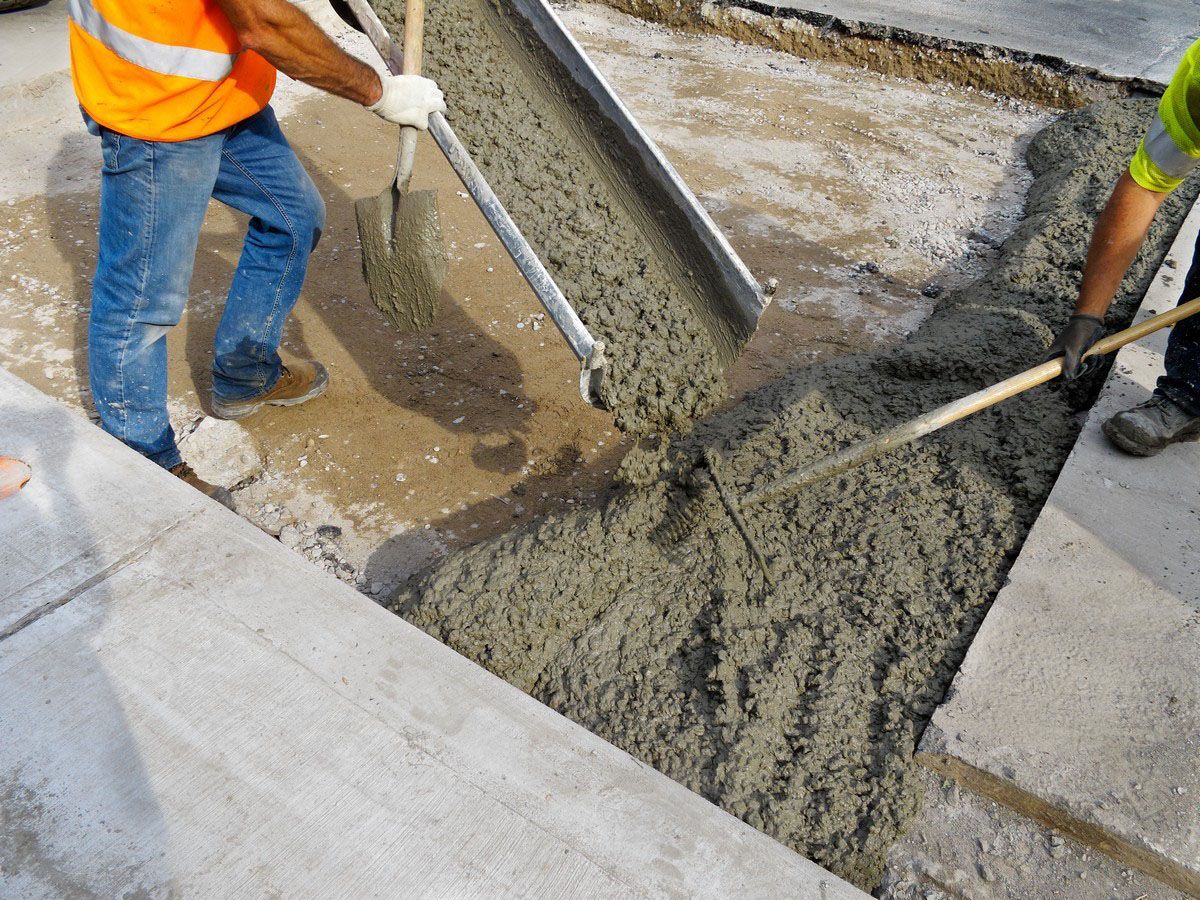
Designing custom mix proportions ensures optimal workability, compressive strength, and durability under local environmental conditions. Balancing cement, water, and specialized admixtures prevents early cracking while boosting resistance to chemical exposure and frost action. A tailored mix cures evenly and locks in structural strength throughout the concrete slab. Careful material selection creates a reliable build tailored to specific usage demands.
Maintain Strict Quality Control Measures
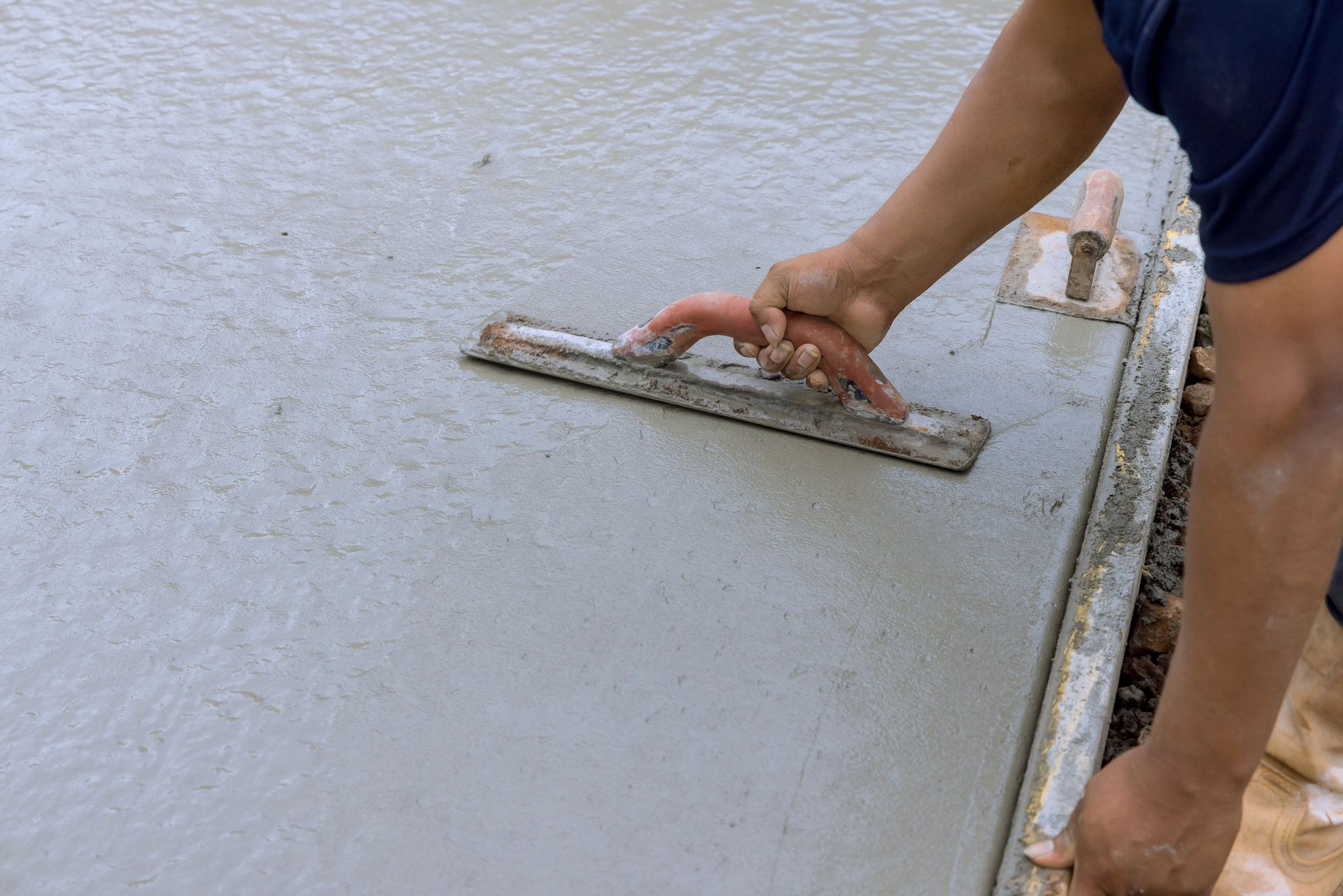
Maintaining precision levelness during placement ensures an even finished surface that meets structural specifications. Workers utilize laser levels, straightedges, and specialized screeding equipment to eliminate surface dips and high spots. Continuous monitoring throughout the pour prevents human error and maintains consistent material thickness. Achieving flat surfaces enhances functional utility and structural integrity.
Monitoring local weather conditions protects curing materials from thermal shock and rapid moisture loss. High temperatures, direct sunlight, strong winds, or sudden rainfall disrupt hydration reactions and weaken structural bonds. Adjusting pouring schedules around weather forecasts ensures optimal setting environments and prevents premature surface cracking. Weather management protects material quality and guarantees durability.
Executing thorough curing protocols allows material strength to develop fully over several weeks. Retaining adequate moisture through wet curing, chemical membranes, or protective covers supports total cement hydration. Proper curing prevents surface spalling, increases abrasion resistance, and reduces shrinkage cracks. Committing to full curing protocols maximizes structural life and ensures peak performance.
Proper site preparation remains the single most critical factor in constructing a strong, level, and durable concrete slab. Thorough soil analysis, strategic land grading, and robust drainage planning eliminate potential failure points long before pouring begins. Investing time and attention in early groundwork protects structural integrity, minimizes future maintenance expenses, and guarantees exceptional utility.
Partnering with experienced professionals ensures that every phase of excavation, compaction, and grading meets rigorous technical standards. Expert execution transforms raw terrain into a dependable foundation built to handle heavy use and harsh weather. Contact our team at HMV Concrete today to schedule a consultation for your next project, and let us build the reliable foundation you deserve.