June 17, 2026
Over time, concrete driveways can develop signs of wear and tear, which may indicate the need for repair or replacement. Understanding these signs can help homeowners address issues before they become bigger, more expensive problems. Concrete, while durable, is still susceptible to environmental and usage-induced damage. Being proactive in identifying these signs can ensure the longevity and aesthetic appeal of your driveway. This article will guide you through the indicators that your concrete driveways might need attention, helping you to maintain and enhance the value of your property.
Visible Cracks
Cracks are some of the most common indicators that concrete driveways may need attention. These cracks can appear as small hairline cracks that may seem harmless but can develop into more significant issues if not addressed. Hairline cracks are typically caused by shrinkage as the concrete cures and may not pose an immediate threat, but they’re precursors to larger structural problems. Monitoring these developments is crucial as they can provide critical early warning signs of potential underlying issues. It’s important to identify and address cracks as soon as they appear to avoid costly repairs in the future.
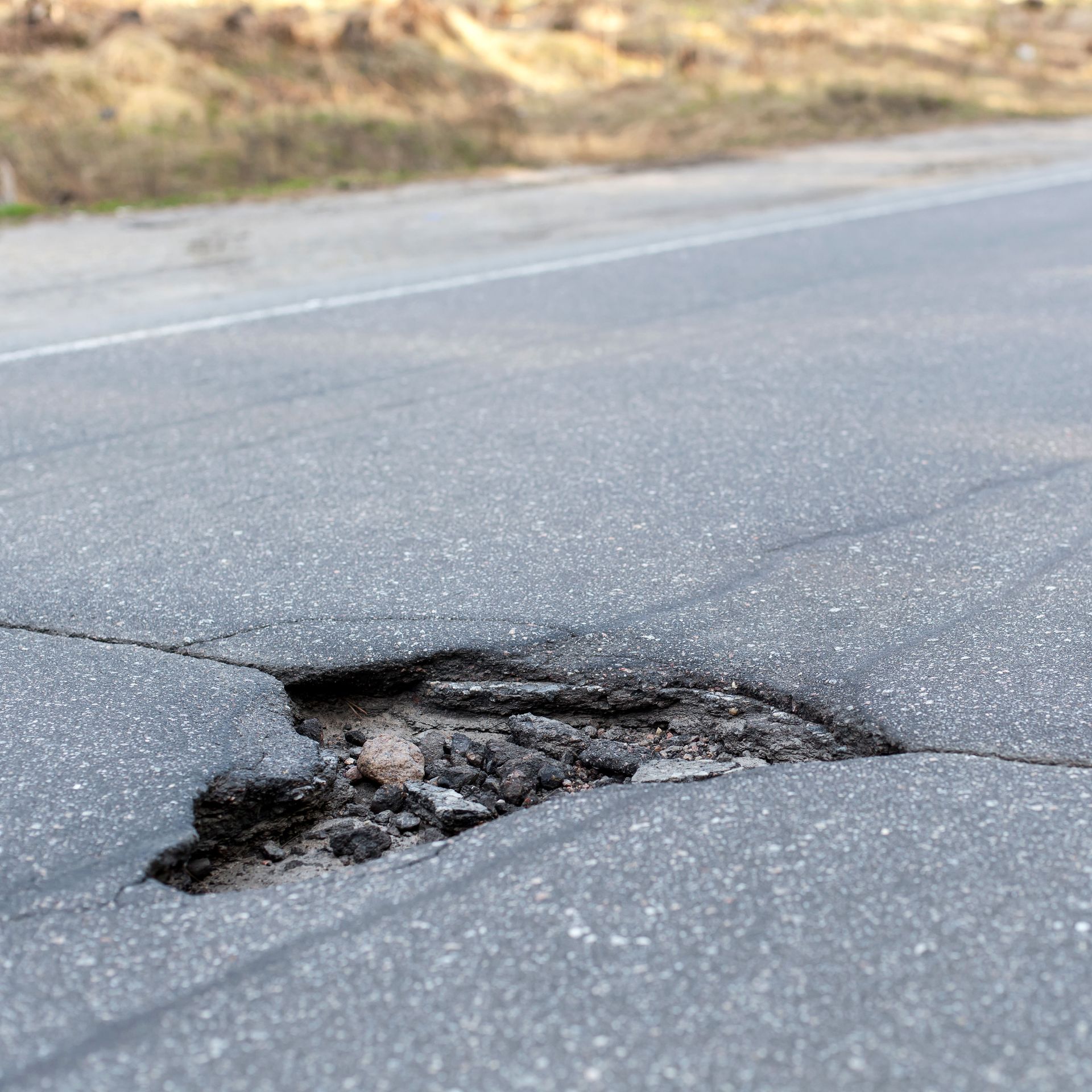
Structural cracks, in contrast to hairline cracks, often indicate more severe issues with the integrity of your driveway. These cracks can be recognized by their depth and width, often being more significant than half an inch. They can be caused by heavy loads, poor construction techniques, or even unstable subsoil. These types of cracks are red flags indicating that your driveway may need professional evaluation and possibly major repairs. When left unattended, these structural issues can worsen and lead to sections of the driveway collapsing or becoming hazardous.
Issues with the expansion joints are also important indicators of driveway distress. These joints are integral to absorbing the expansion and contraction of concrete caused by temperature changes. Over time, these joints may degrade, causing misalignment or protrusion from the slab. Failure to maintain or replace these joints can lead to exacerbated cracking and even buckling of the concrete slab. Regular inspection of these components can prevent significant damage and maintain structural integrity.
Surface Degradation
Surface degradation is another common issue that can affect the longevity and appearance of concrete driveways. Spalling, a condition where chunks of the surface layer start coming off, is a prevalent problem. This often occurs when freeze-thaw cycles cause the surface to expand and contract, leading to peeling. Spalling can be unsightly and worsen over time, making the surface rough and uneven. Addressing spalling typically involves sealing the driveway to prevent moisture penetration that initiates freeze-thaw cycles.
Scaling concerns are similar to spalling but affect the surface more evenly. This condition results from poor finishing techniques or chemical damage from deicing products. Scaling can cause patches where the concrete surface appears rough and flaky. If not promptly managed, scaled surfaces can quickly deteriorate, decreasing the driveway’s lifespan. Preventative coating and sealers are essential in managing scaling and improving the durability of your driveway’s surface.
Pitting, popouts, and discoloration are other noticeable forms of surface degradation. Pitting and popouts are small, crater-like formations caused by the presence of reactive aggregates or improper curing processes. Discoloration may occur owing to inconsistent concrete mixing or the use of certain chemicals. Regular applications of sealers and proper curing practices are effective in preventing these issues. Addressing them early on can help maintain your driveway’s uniform appearance and prevent deeper structural issues.
Drainage Problems
Effective drainage is vital to the health of concrete driveways, as poor drainage can lead to a host of problems. Poor water runoff can result in water pooling in certain areas, which promotes erosion and destabilization of the driveway. Effective sloping is essential to ensure that water is directed away from the driveway. This slope should be designed to guide water towards a suitable drainage channel and away from the foundation and adjacent structures. Consistent maintenance checks can reveal if adjustments need to be made to improve water runoff.
Puddling and pooling water can also lead to severe consequences beyond cosmetic defects. Moisture accumulation without proper drainage leads to freeze-thaw cycling in colder climates, resulting in cracks and surface degradation. Persistent water pooling can penetrate the sublayers, causing erosion and eventual sinkage. Effective drainage solutions, like French drains or percolation pits, can mitigate these issues by ensuring proper water distribution. Routine inspections after heavy rain can quickly identify vulnerable areas needing improvement.
Drainage issues impact not only the driveway itself but adjacent structures as well. Poor water management can lead to increased hydrostatic pressure against nearby foundations, causing potential structural damage. The benefits of ensuring proper sloping and effective drainage extend beyond the driveway by preserving the structural integrity of your home. Being diligent about assessing drainage after construction can protect against costly foundational repairs. When issues arise, timely intervention is crucial to prevent damage escalation.
Uneven Surfaces
Uneven surfaces on your driveway can be a significant safety hazard and often indicate deeper issues. The causes of unevenness often trace back to problems with the subbase or changes in the soil underneath the driveway. Soil erosion, poor compaction during construction, or natural settling can lead to sections of the driveway sinking or rising unevenly. When left unchecked, these irregularities can cause increased wear on vehicle tires and suspension systems. Addressing the cause and resealing the surface can alleviate these issues and prevent further wear.
Trip hazards and safety concerns are other critical reasons to address uneven concrete driveways. An uneven surface can be a tripping hazard for pedestrians, leading to potential injuries and liability concerns for homeowners. Wheelchairs, bicycles, and other small vehicles can also struggle on these uneven surfaces, adding another safety layer. The risks associated with unaddressed trips and falls are significant enough to warrant prompt corrective measures in the form of re-leveling or restructuring. Regular inspections for these issues, particularly after natural events like soil settling post-construction, are essential for maintenance.
Uneven surfaces can significantly impact vehicle safety as well. Car suspension systems often endure additional strain from navigating bumpy or uneven driveways, leading to increased wear and tear. This increased strain reduces vehicle lifespan and increases maintenance costs over time. Recognizing signs of unevenness early can prevent larger vehicle expenses, conserving both time and money. Solutions typically involve sectional repairs or complete resurfacing for severely affected areas.
Regular Wear and Ageing
Concrete driveways, like all structures, have a finite lifespan that is influenced by various factors such as material quality, environmental conditions, and usage patterns. The typical lifespan of a well-maintained concrete driveway is around 25 to 30 years in our experience. This duration can significantly vary based on the quality of installation and continued maintenance efforts. Signs of aging often include progressively deeper cracks, increased discoloration, and surface degradation. These indicators signify the need for regular maintenance and eventual replacement to maintain their functionality and appearance.
Concrete suppliers in the Midwest are particularly prominent, accounting for 35% of US suppliers according to IndustryNet, providing a variety of materials that can extend the life of aging driveways. Homeowners might notice noticeable wear patterns such as tire marks or surface indentations over time. These wear patterns give insight into the rate at which the driveway is aging and require strategic measures to delay further wear. Solutions for extending a driveway's lifespan include resurfacing damaged areas, applying protective sealers, and improving drainage systems to reduce water-induced damage.
Monitoring your concrete driveway for these signs can help you maintain its condition and extend its life. Acting on the indicators described can prevent further damage and save on costly repairs or replacements. Addressing small issues early can lead to a more durable and aesthetically pleasing driveway. Regular inspections, timely maintenance, and when necessary, practical repairs ensure that your driveway remains a valuable asset to your home. By staying vigilant and proactive, homeowners can significantly extend the lifecycle of their
concrete driveways, maintaining both function and curb appeal. If your driveway needs maintenance, get in touch with HMV Concrete.