August 27, 2026
Stamped concrete has become a popular decorative option in modern construction because it combines the strength of a poured surface with the appearance of materials such as stone, brick, slate, and wood. Its versatility makes it suitable for residential, commercial, and public projects where both function and visual appeal matter. Property owners can choose from numerous patterns, textures, and colors to coordinate new surfaces with existing architecture and landscaping. As construction methods and decorative products continue to develop, stamped concrete provides designers and builders with considerable flexibility without requiring individual paving units.
Understanding the Decorative Concrete Process
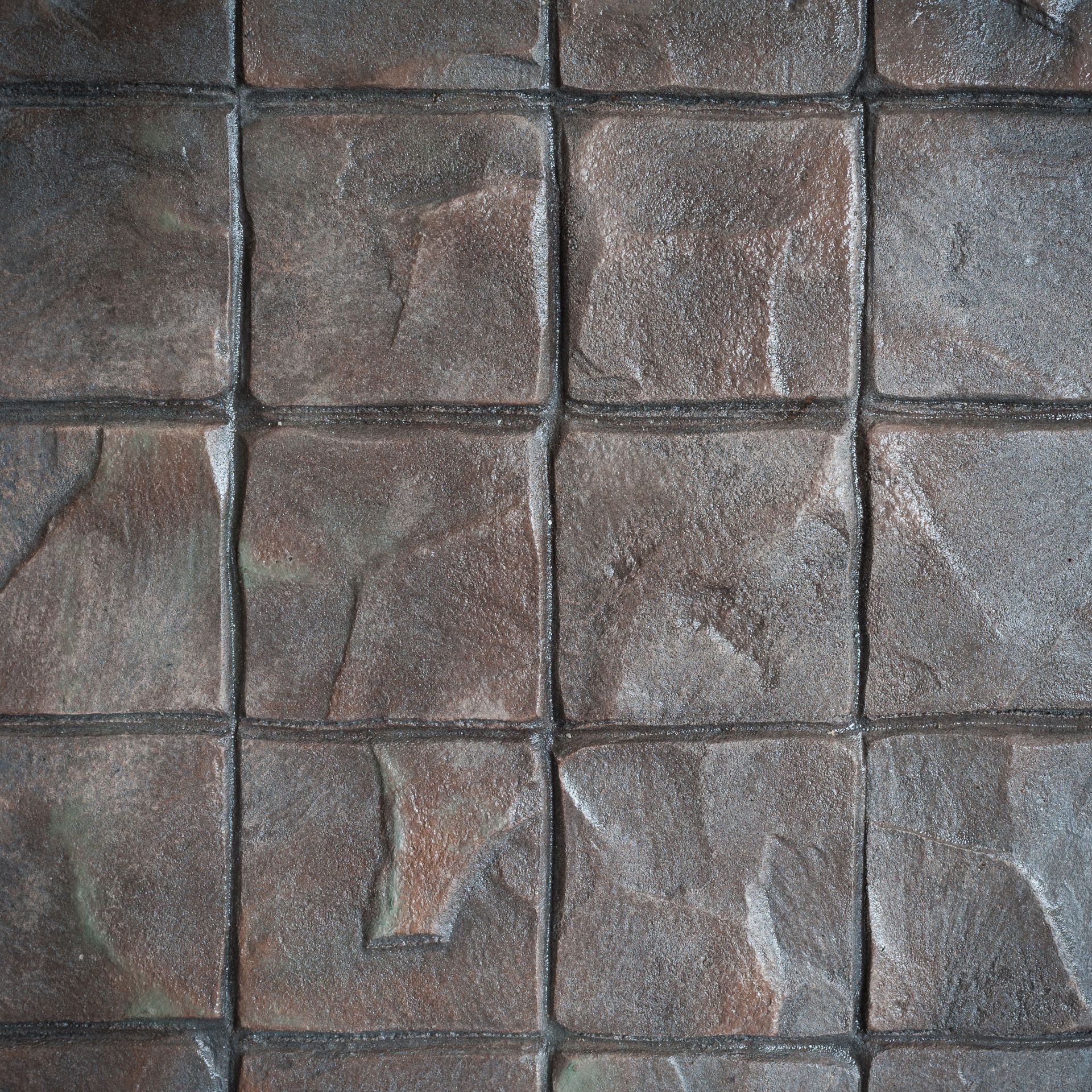
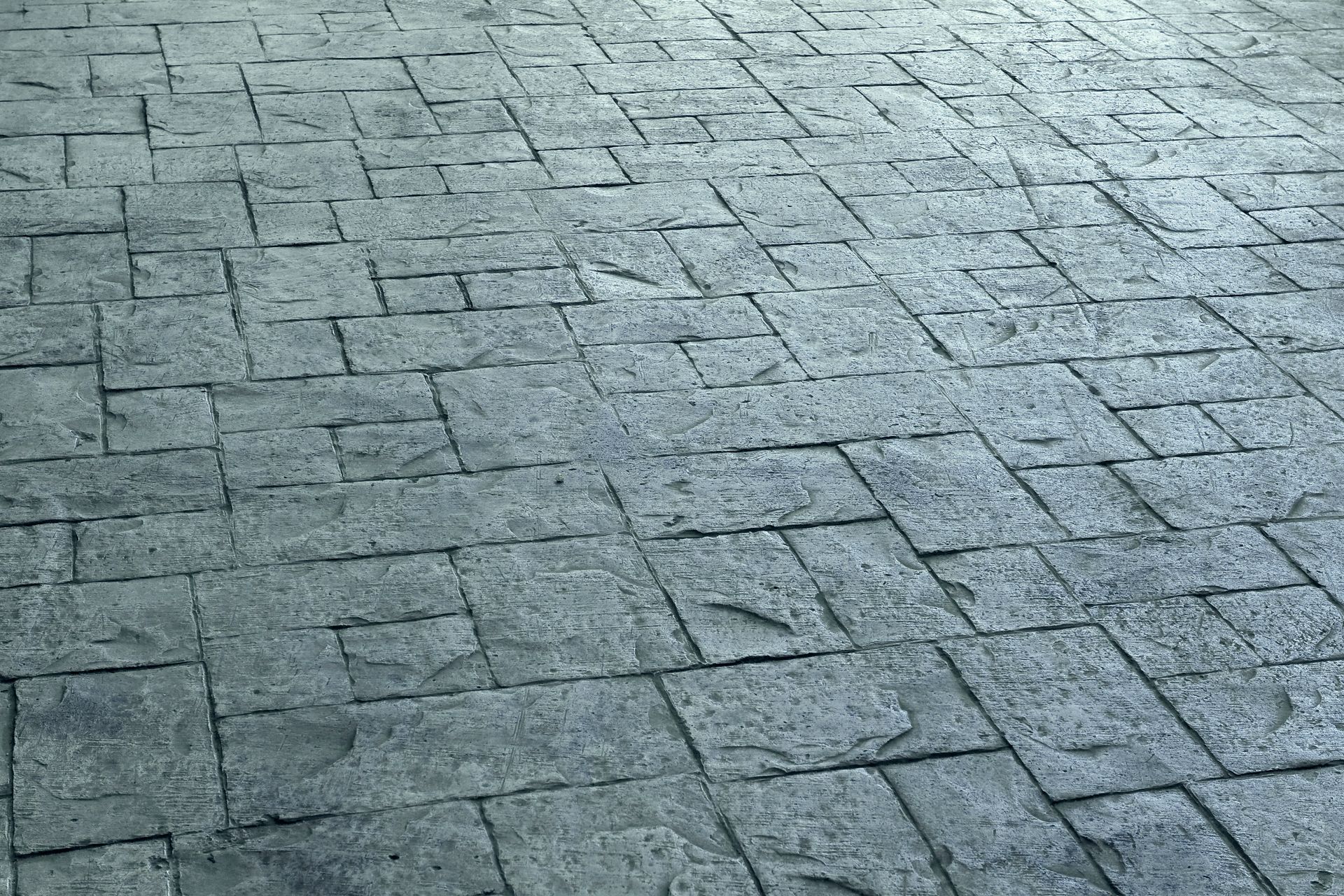
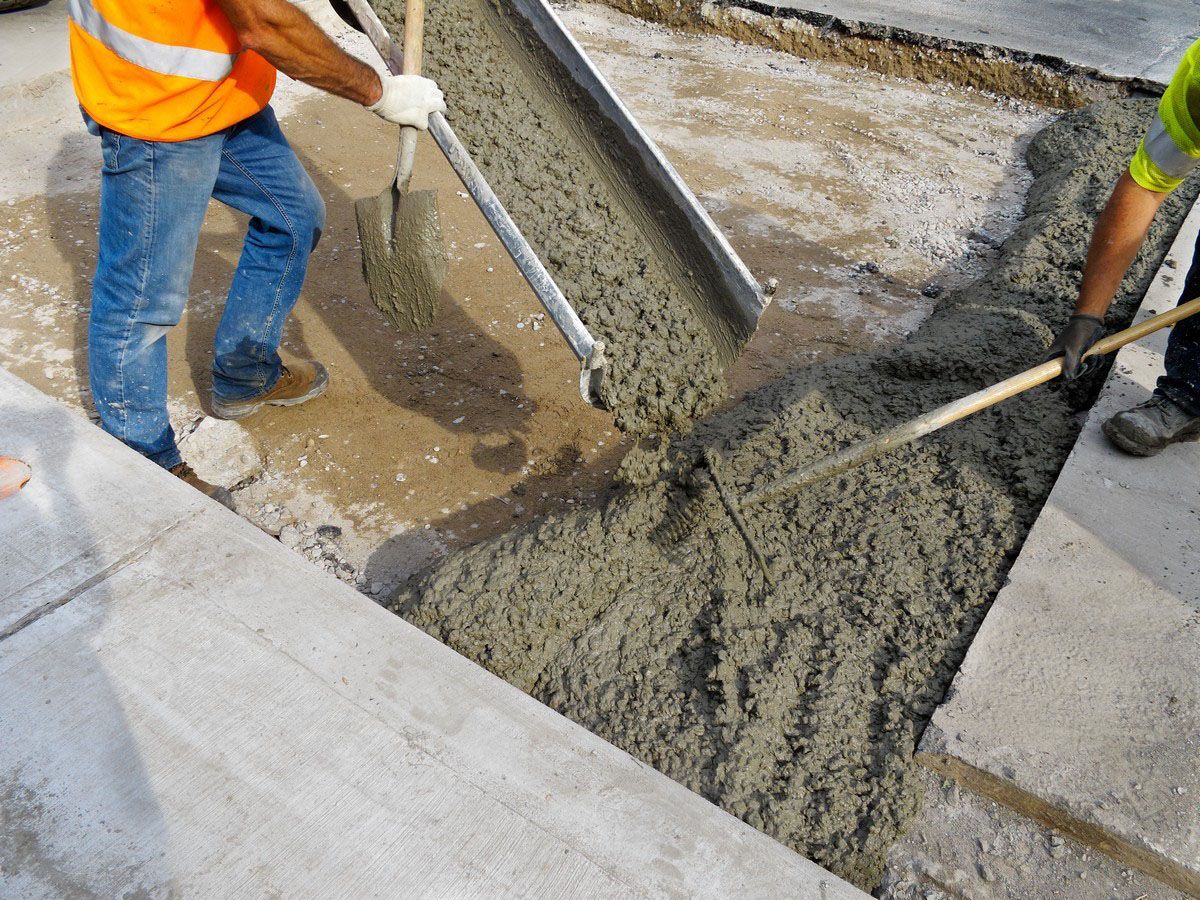
Stamped concrete is created by adding color and texture to freshly placed concrete before it fully hardens. After the material is poured, leveled, and prepared, contractors press specialized mats or molds into the surface. These tools leave impressions that reproduce recognizable materials such as flagstone, cobblestone, brick, tile, or timber. Release agents may be applied to prevent the stamping tools from sticking while also creating subtle variations in color and texture.
The decorative process has evolved significantly since early stamping methods became more common during the twentieth century. Improvements in polyurethane mats, coloring products, sealers, additives, and finishing techniques have increased the number of available designs. Contractors can now combine different patterns, borders, and shades to create surfaces ranging from rustic and traditional to clean and contemporary. Successful results still depend on careful timing because the concrete must be firm enough to hold the impression while remaining soft enough to accept the pattern.
Exploring Patterns, Colors, and Design Options
One of the main advantages of this decorative method is the variety of available designs. Patterns can resemble slate, fieldstone, European-style cobblestone, brick, wood planks, and many other materials. The same basic pattern can produce dramatically different results depending on the colors, borders, and finishing methods used. Property owners can coordinate the surface with exterior masonry, siding, landscaping, roofing, or other architectural details to create a more unified appearance.
Color may be incorporated directly into the concrete mixture or applied to the surface through color hardeners and related products. Stains, antiquing agents, and accent colors can provide additional depth and variation. Before installation, reviewing samples and photographs under different lighting conditions can help establish realistic expectations. Designers should consider not only the immediate project area but also how the finished surface will relate to the surrounding property.
Using Decorative Concrete Around Homes
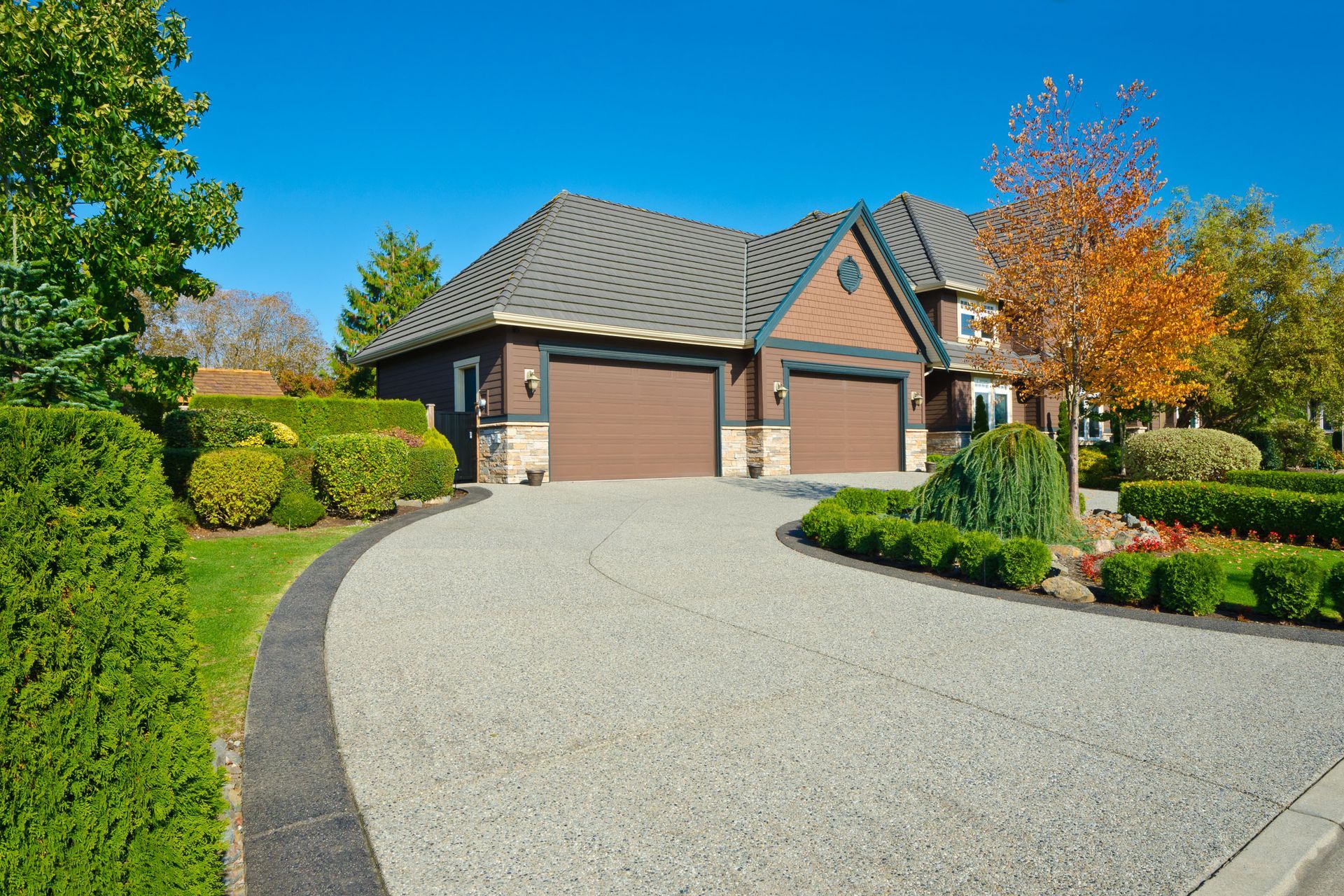
Residential properties offer numerous applications for stamped concrete, including patios, driveways, walkways, porches, courtyards, and pool decks. A stone-inspired patio can complement gardens and outdoor kitchens, while a brick pattern may visually connect a walkway with an existing home's exterior. Because concrete is poured into forms, it can also accommodate curves, borders, and unusual layouts that may be more complicated to create with individual paving units.
Outdoor living areas especially benefit from thoughtful surface planning because hardscaping often occupies a significant portion of the visible landscape. Decorative borders can define seating or dining areas, while changes in pattern can distinguish walkways from gathering spaces. Around pools and other moisture-prone locations, however, appearance should be balanced with practical considerations such as drainage, surface texture, and traction. These details can influence both comfort and safety.
Applying Decorative Surfaces in Commercial and Public Spaces
Commercial properties frequently need surfaces capable of supporting regular pedestrian activity while contributing to the character of the site. Restaurants, hotels, shopping centers, offices, and mixed-use developments may use stamped concrete at entrances, courtyards, plazas, or pedestrian pathways. Businesses can select patterns that complement their architecture or use contrasting designs to visually distinguish different areas without installing individual stones or pavers across the entire property.
Public projects can use similar techniques for sidewalks, parks, civic plazas, recreational pathways, and community gathering areas. Decorative treatments can help create visual transitions between functional zones while complementing nearby buildings and landscaping. Large installations must also account for accessibility, drainage, pedestrian traffic, maintenance requirements, and applicable construction standards. Decorative choices should ultimately support the practical purpose of the space rather than interfere with its everyday use.
Evaluating Durability and Long-Term Value
Concrete is widely valued for its strength, and decorative treatments allow projects to gain visual detail while retaining the underlying characteristics of a poured slab. Proper base preparation, placement, curing, drainage, and joint planning all influence long-term performance. According to ConstructConnect, more than 10 billion tons of concrete are used worldwide each year, demonstrating the enormous scale at which the material supports buildings and infrastructure.
Stamped concrete can also provide an alternative to certain natural stones, bricks, and individual pavers when property owners want a decorative appearance. Project costs vary according to excavation requirements, slab thickness, reinforcement, pattern complexity, coloring techniques, labor, accessibility, and regional pricing. A straightforward pattern may require less labor than an intricate installation featuring multiple colors and borders. Comparing the complete installation and expected maintenance requirements provides a more useful assessment than considering material prices alone.
Planning for Cleaning and Surface Maintenance
Routine care can help preserve the appearance and performance of decorative concrete. Dirt, leaves, spills, and organic debris should be removed periodically so they do not remain on the surface for extended periods. Depending on environmental exposure and the products used during installation, a compatible sealer may be recommended to provide additional protection against moisture, stains, abrasion, and fading. The appropriate resealing schedule can vary according to traffic, climate, sealer type, and overall surface condition.
Property owners should not assume that a decorative concrete surface is completely maintenance-free. Freeze-thaw cycles, deicing products, heavy loads, drainage problems, ground movement, and prolonged sunlight can affect surfaces over time. Periodic inspections make it easier to identify developing concerns before they become more extensive. Following recommendations from the installer and product manufacturer can also prevent harsh chemicals or unsuitable cleaning techniques from affecting the finish.
Managing Cracks and Weather-Related Concerns
Like conventional concrete, stamped concrete may develop cracks because of shrinkage, temperature changes, soil movement, insufficient base preparation, or other stresses. Control joints are strategically placed to encourage cracking to occur in planned locations rather than randomly across the slab. Appropriate reinforcement, a stable subgrade, suitable concrete mixtures, and proper curing practices can further reduce avoidable problems and contribute to longer-lasting performance.
Weather conditions are particularly important during installation. Excessive heat can cause concrete to set rapidly, shortening the available stamping window, while cold conditions can slow the curing process. Rain at critical stages may interfere with surface texture, coloring, or finishing. Experienced crews organize their materials, tools, staffing, and stamping sequence in advance so they can work efficiently once the concrete reaches the appropriate consistency.
Prioritizing Safety, Drainage, and Performance
Decorative surfaces should always be selected according to how the area will be used. Deep textures or certain glossy sealers may become slippery when wet, making traction an important consideration around pools, entrances, sloped pathways, and other locations exposed to moisture. Contractors can recommend appropriate textures, sealers, or slip-resistant additives that help balance the desired appearance with practical walking conditions.
Drainage is equally important. Properly designed surfaces should direct water away from buildings and minimize unnecessary pooling. Before concrete is poured, contractors may need to evaluate grading, landscaping, downspouts, nearby pavement, and other features that affect water movement. Although drainage details are less noticeable than decorative patterns, they can have a substantial effect on the long-term function of an installation and the surrounding property.
The strongest results come from combining thoughtful design with sound construction practices. Stamped concrete offers significant creative flexibility, but its performance continues to depend on fundamentals such as a stable base, suitable drainage, appropriate curing, carefully positioned joints, and regular maintenance. When these practical requirements are considered alongside pattern and color choices, the finished surface can provide a durable and attractive addition to residential, commercial, or public spaces for years to come. Contact our team at HMV Concrete today and learn more about our concrete services.