March 25, 2026
Large-scale concrete projects require far more than just materials and labor. From planning and preparation to execution and finishing, every phase demands precision, coordination, and expertise. Whether it’s a commercial foundation, parking lot, or industrial slab, the complexity of these projects makes professional oversight essential.
A commercial concrete contractor plays a central role in managing every aspect of the job. Their ability to coordinate resources, maintain quality standards, and deliver results on schedule is what ensures a successful outcome. Understanding how these professionals handle large projects can provide valuable insight into the process and its many moving parts.
Planning the Project Scope Thoroughly
Every successful concrete project begins with a detailed plan. Before any work starts, a commercial concrete contractor evaluates the scope of the project, including size, design specifications, and site conditions. This phase involves reviewing blueprints, identifying potential challenges, and developing a clear timeline.
Careful planning helps prevent delays and ensures that all materials, equipment, and personnel are ready when needed. It also allows contractors to anticipate obstacles such as weather conditions or site limitations. By addressing these factors early, the project can move forward more efficiently. In addition, a well-defined plan establishes clear expectations for everyone involved. This level of organization is critical when managing large jobs that require coordination across multiple teams.
Coordinating Materials and Equipment Efficiently
Large concrete projects require significant quantities of materials and specialized equipment. A commercial concrete contractor is responsible for sourcing high-quality materials and ensuring they are delivered on time. This includes coordinating with suppliers and managing inventory throughout the project.
Concrete itself is a carefully balanced mixture. According to the National Ready Mixed Concrete Association, aggregates typically make up between 60% and 75% of the composition. This highlights the importance of using the right materials and maintaining consistency in the mix to achieve the desired strength and durability. In addition to materials, contractors must coordinate equipment such as mixers, pumps, and finishing tools. Proper scheduling and maintenance of this equipment are essential to keep the project running smoothly and avoid costly downtime.
Preparing the Job Site Properly
Site preparation is a critical step that lays the foundation for the entire project. Before pouring any concrete, the area must be cleared, graded, and compacted to create a stable base. A commercial concrete contractor ensures that these steps are completed according to industry standards.
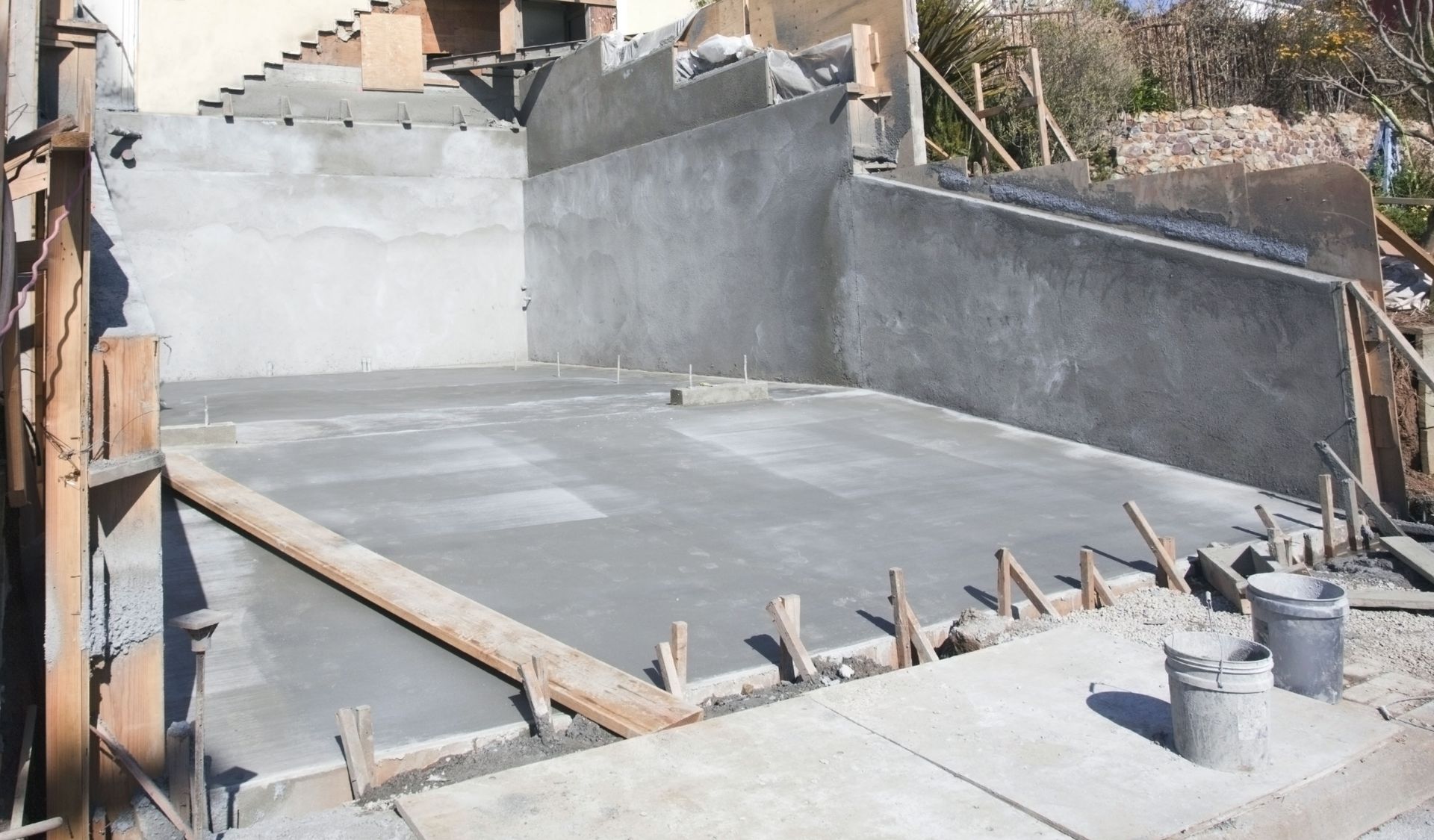
This process may also involve installing forms, reinforcement materials, and drainage systems. Each element plays a role in supporting the structure and preventing issues such as cracking or settling. Proper site preparation is key to achieving long-lasting results. Attention to detail during this phase helps reduce the risk of problems later in the project. It also ensures that the concrete can be placed and finished with precision.
Managing Labor and Workflow Strategically
Large jobs require a coordinated team effort. A commercial concrete contractor oversees the workforce, assigning tasks and ensuring that each phase of the project is completed efficiently. This includes managing schedules, monitoring progress, and addressing any challenges that arise.
Effective workflow management helps keep the project on track and minimizes delays. By organizing tasks in a logical sequence, contractors can ensure that each step is completed before moving on to the next. This level of coordination is essential for maintaining productivity on large-scale projects. Communication also plays a key role in this process. Keeping team members informed and aligned helps prevent misunderstandings and ensures that everyone is working toward the same goals.
Executing Concrete Placement Precisely
The placement of concrete is one of the most critical stages of the project. Timing, technique, and consistency all play a role in achieving the desired results. A commercial concrete contractor carefully oversees this process to ensure that the concrete is poured and distributed evenly.
This stage often requires coordination between multiple teams, including those operating pumps, guiding placement, and monitoring the mix. Proper handling during placement helps prevent issues such as air pockets or uneven surfaces. In addition, contractors must work within specific timeframes to ensure that the concrete is properly set. This requires careful planning and execution to achieve a smooth and durable finish.
Applying Finishing Techniques Accurately
Once the concrete is placed, finishing techniques are used to achieve the desired appearance and functionality. This may include smoothing the surface, adding texture, or applying coatings. A commercial concrete contractor ensures that these steps are carried out with precision.
Different projects require different finishes, depending on their intended use. For example, a parking lot may need a textured surface for traction, while an interior floor may require a polished finish. Understanding these requirements is essential for delivering the right results. Proper finishing not only enhances the appearance of the concrete but also contributes to its durability. Attention to detail during this phase helps ensure that the final product meets both aesthetic and functional expectations.
Monitoring Curing and Quality Control
Curing is a crucial step in the concrete process that directly impacts strength and longevity. A commercial concrete contractor monitors this phase to ensure that the concrete cures properly under the right conditions. This may involve controlling temperature, moisture levels, and curing time.
Quality control measures are also implemented throughout the project. This includes testing materials, inspecting workmanship, and verifying that all specifications are met. These steps help ensure that the final product meets industry standards and performs as expected. By prioritizing quality at every stage, contractors can deliver results that stand the test of time. This commitment to excellence is especially important for large projects where durability is a top priority.
Addressing Challenges and Adjusting Plans
No large project is without its challenges. Weather conditions, supply delays, and unexpected site issues can all impact progress. A commercial concrete contractor is prepared to adapt and find solutions to keep the project moving forward.
Flexibility and problem-solving skills are essential in this environment. Contractors must be able to adjust plans, reallocate resources, and implement alternative strategies as needed. This ability to respond effectively to challenges helps minimize disruptions and maintain momentum. Proactive planning and experience also play a role in reducing the impact of unforeseen issues. By anticipating potential problems, contractors can take steps to mitigate risks before they arise.
Delivering a Completed Project Successfully
The final stage of any large concrete job involves completing the project and ensuring that all work meets expectations. A commercial concrete contractor conducts final inspections, addresses any remaining details, and ensures that the site is clean and ready for use.
This phase is an opportunity to confirm that the project has been completed according to specifications and that all quality standards have been met. It also allows for any necessary adjustments or corrections to be made before final approval. Delivering a successful project requires attention to detail, effective communication, and a commitment to excellence. By managing every aspect of the process, contractors ensure that the final result meets the needs of the client and performs reliably over time.
Handling large concrete jobs requires a combination of planning, expertise, and coordination. From the initial scope assessment to the final inspection, every step plays a critical role in achieving a successful outcome. A commercial concrete contractor brings the knowledge and resources needed to manage these complex projects with confidence. If you’re planning a large-scale concrete project, contact HMV Concrete today. Our experienced team and reliable commercial concrete contractor services are equipped to handle projects of any size with precision, efficiency, and lasting quality.