March 25, 2026
Decorative concrete has emerged as a versatile, durable, and aesthetic solution for homeowners looking to enhance their property's curb appeal. This article explores the various aspects of decorative concrete, its benefits, and practical applications for elevating the exterior appearance of any home. Through innovative techniques and materials, decorative concrete offers a variety of design options and functional advantages over traditional materials. Homeowners increasingly choose decorative concrete for its adaptability, long-term durability, and low maintenance needs. By understanding these attributes, individuals can make informed decisions regarding the integration of decorative concrete into their homes.
Understanding Decorative Concrete
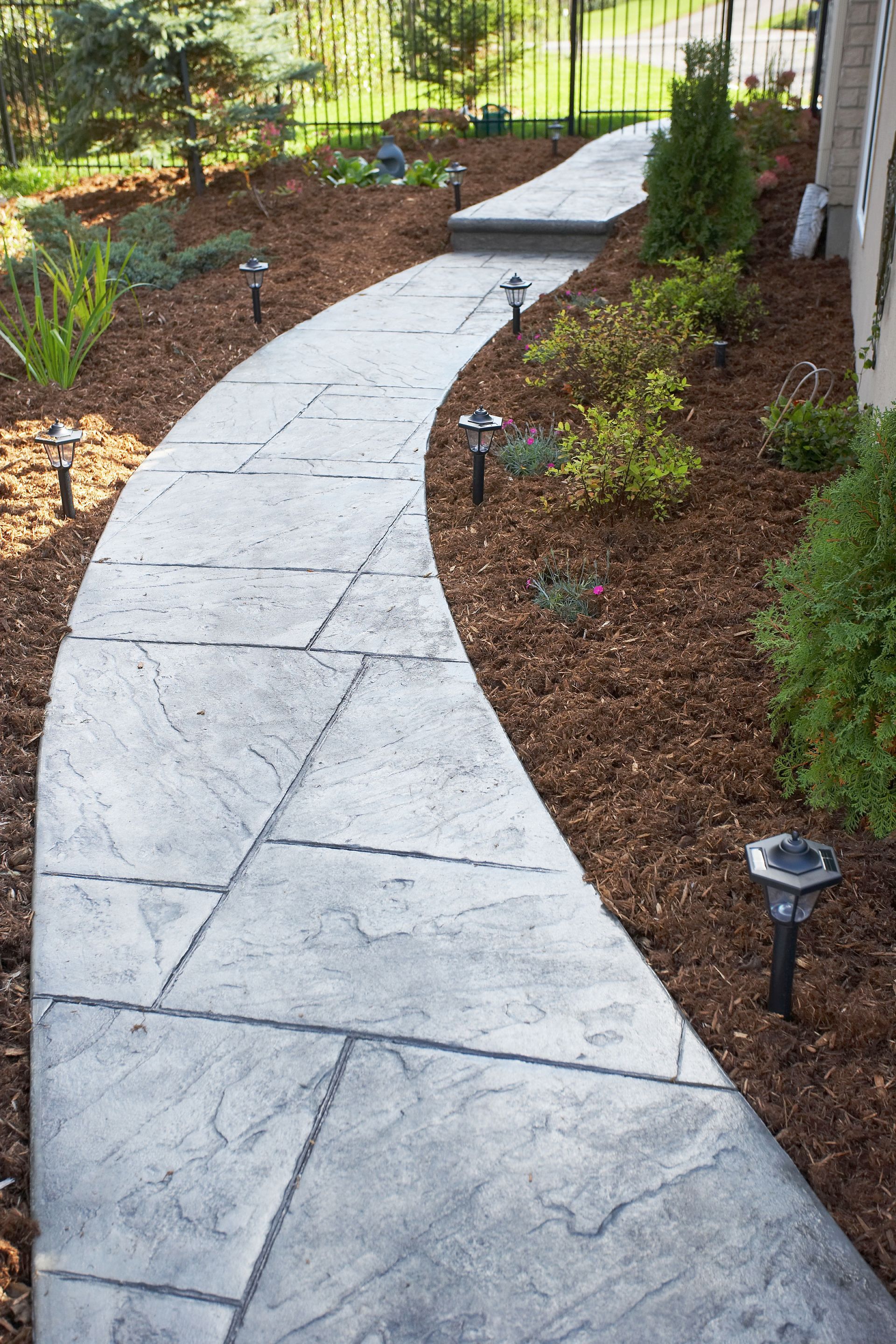
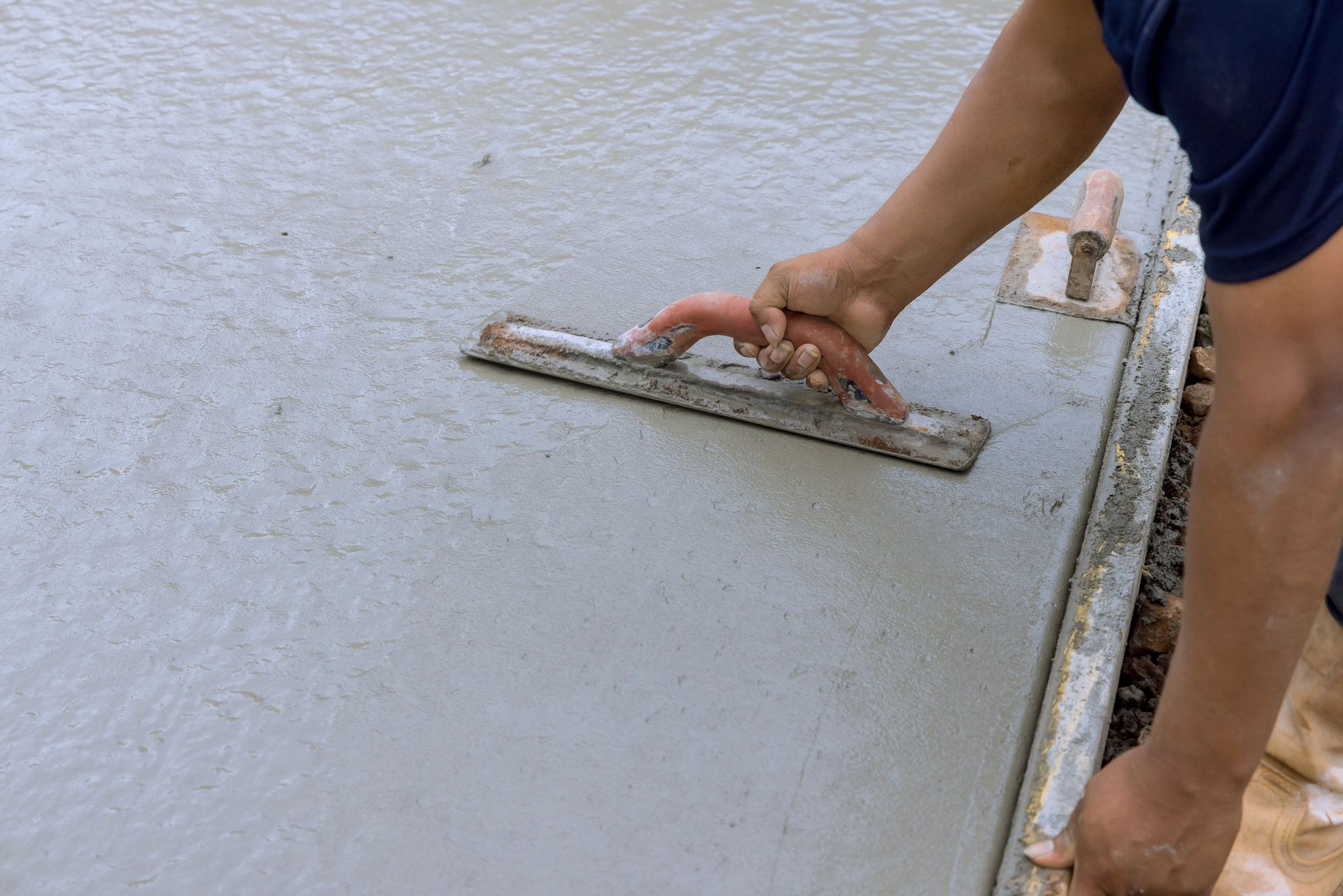
An artistic enhancement applied to concrete surfaces, decorative concrete is known for its aesthetic purposes. It combines traditional concrete elements with specialized finishes to mimic other materials such as stone, brick, or wood. Key types include stamped concrete, which involves imprinting patterns onto freshly poured concrete, and exposed aggregate, where the surface layer is removed to reveal the aggregates. This versatility allows for endless decorative possibilities. By understanding these basic types, homeowners can identify the best fit for their design preferences and practical needs.
Unlike plain concrete, decorative concrete offers a myriad of design options. This capability to resemble high-end materials at a fraction of the cost makes it an attractive choice. The customization aspect enables homeowners to personalize surfaces to suit their style. It also allows for innovative applications, blending seamlessly with interior and exterior design themes. These characteristics underscore the broad versatility of decorative concrete, appealing to diverse homeowner preferences.
Furthermore, the ability to replicate natural patterns helps decorative concrete to enhance landscape aesthetics. Homeowners can choose designs that integrate harmoniously into surrounding features, elevating overall curb appeal. Additionally, decorative concrete is adaptable to various uses, such as patios, driveways, and walkways. The material's durability ensures it stands up to weather and usage demands. Creative design potential coupled with practical resilience makes it a valuable option for enhancing a home's exterior.
Analyzing the Historical Background of Decorative Concrete
The use of decorative concrete can be traced back to ancient times. Early civilizations like the Romans utilized concrete in their extensive building projects, discovering its multifunctional properties. The modern development of decorative concrete techniques only began in the 20th century. Technological advancements allowed new possibilities in design and finish, expanding its popularity. This evolution highlights decorative concrete as a blend of historical durability and modern aesthetics.
Throughout the years, advances in technology have expedited the evolution of decorative concrete. The introduction of colored pigments and advanced stamping processes in the mid-1900s facilitated more realistic renderings of traditional materials. This period saw a surge in popularity as architects and homeowners sought new design options. Resulting developments laid the groundwork for today’s wide array of decorative possibilities. Continual innovation within this sector ensures it remains both a functional and fashionable choice.
In recent decades, decorative concrete has surged forward as an innovatively sustainable building material. Interest in eco-friendly building practices has further propelled its prominence. The industry now emphasizes aesthetics and sustainability, aligning with contemporary environmental consciousness. As green technology progresses, decorative concrete continues to adapt and thrive. This ongoing development underscores the material’s enduring appeal across the ages.
Discussing the Advantages of Decorative Concrete Over Traditional Materials
Decorative concrete offers distinct advantages over traditional building materials like stone or brick. One significant benefit is cost-efficiency, providing the aesthetic appeal of luxury surfaces without the associated price. Its adaptability in design allows it to mimic these materials convincingly while remaining budget-friendly. Moreover, ease of maintenance compared to natural stone or brick is a noteworthy advantage. Such qualities highlight its practicality and visual appeal simultaneously.
Furthermore, decorative concrete promises exceptional durability, ensuring substantial longevity. According to Patio Designers, a properly maintained stamped concrete patio can last 25 to 30 years, making it a smart, long-term investment for homeowners. This longevity, paired with its reduced maintenance needs, results in fewer replacement and repair demands over the years. Additionally, concrete's robust nature makes it highly resistant to weather extremes and daily wear. These enduring qualities make it both a practical and economical choice for enhancing a home's exterior.
Another advantage is its environmental friendliness compared to traditional construction materials. Concrete production generally has a lower carbon footprint, especially when using sustainable mixes. Additionally, it can be sourced locally, minimizing transportation resources and emissions. As consumer demand shifts towards sustainable solutions, decorative concrete stands out as both an ecological and aesthetic choice. It offers a natural complement to eco-friendly construction initiatives.
Exploring Common Misconceptions
One common misconception is that decorative concrete lacks variety in design options. Many believe that traditional materials offer superior aesthetic versatility. However, modern decorative concrete can replicate nearly any surface, including marble, stone, and even wood. The advanced processes allow for intricate designs and customizations. Its adaptability debunks the myth of limited design possibilities in decorative concrete.
Another misconception is that decorative concrete is less durable than conventional materials. The belief stems from associating its aesthetic appearance solely with visual appeal and neglecting structural benefits. In truth, decorative concrete offers enhanced longevity and durability. With proper installation and maintenance, it is extremely resilient against external conditions and wear. This resilience challenges the perception of decorative concrete as merely aesthetic.
Lastly, many assume decorative concrete is high-maintenance. This view is often based on its complex designs, implying labor-intensive upkeep. Contrary to this belief, decorative concrete requires minimal maintenance due to its durable finish. Simple cleaning and occasional sealing are typically sufficient to retain its appearance.
Implementing Current Trends in Decorative Concrete
Recent trends in decorative concrete emphasize personalization and customization. Homeowners and designers now prefer tailored finishes that reflect individual styles and preferences. This heightened demand for unique designs encourages further innovation in finishes and pattern options. Additionally, digital design tools aid in visualizing and planning personalized concrete surfaces. This trend underscores decorative concrete as a medium for unique expression within exterior design.
Sustainability also emerges as a key trend within decorative concrete. There is growing interest in eco-friendly practices throughout the construction industry, impacting decorative options. Green concrete, which incorporates recycled materials and sustainable additives, aligns with environmentally conscious building practices. This integration of sustainability significantly influences design choices. As demand for eco-conscious options grows, so does innovation in sustainable decorative concrete solutions.
Another emerging trend is the increased emphasis on blending concrete with landscape elements. Homeowners desire holistically designed outdoor spaces that seamlessly integrate hardscape with surrounding greenery. This approach enhances visual flow and functionality within exterior areas. Consequently, techniques for incorporating decorative concrete into varied landscaping elements are evolving. This balance creates cohesive, harmonious outdoor spaces that embody modern design principles.
Going Over Design Options for Decorative Concrete
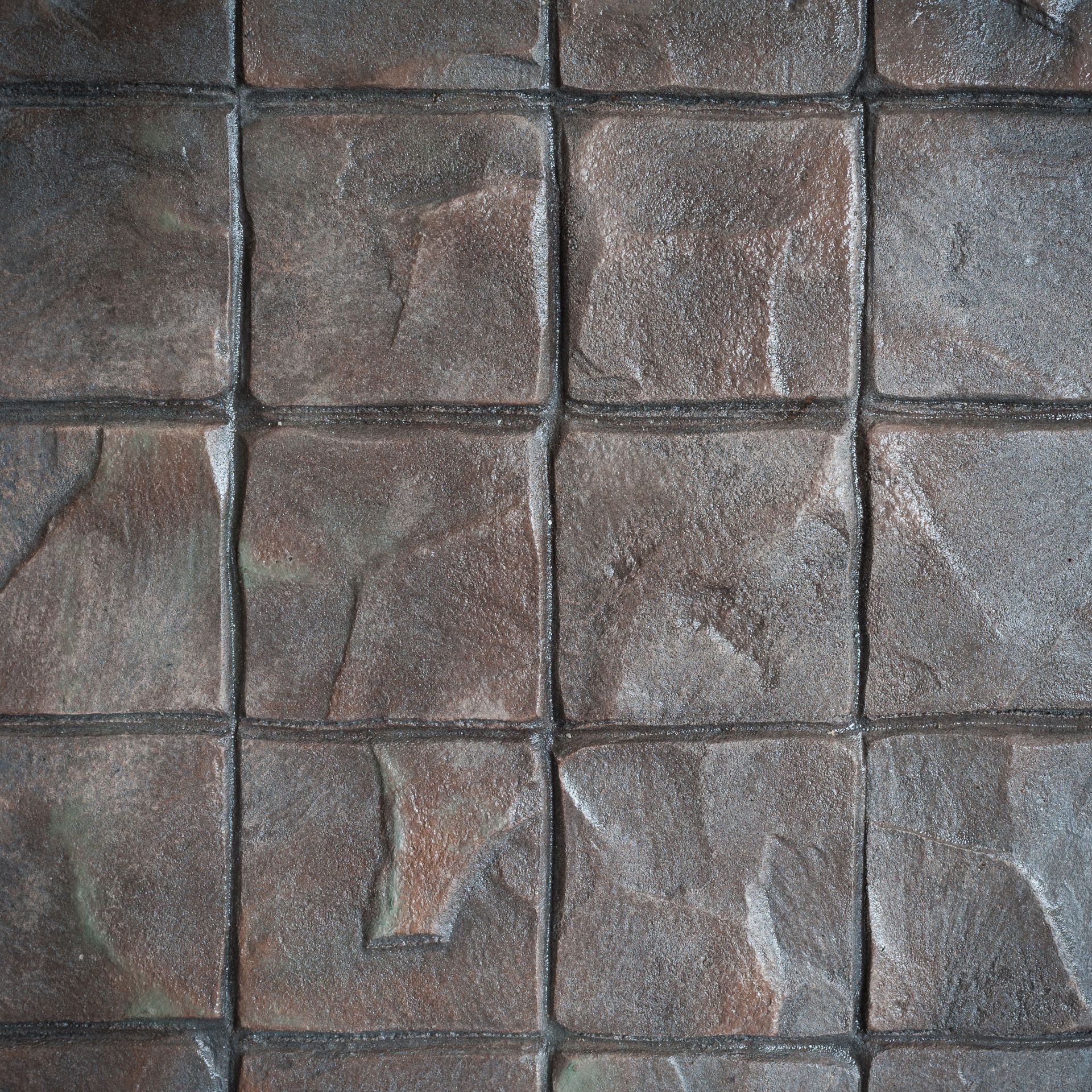
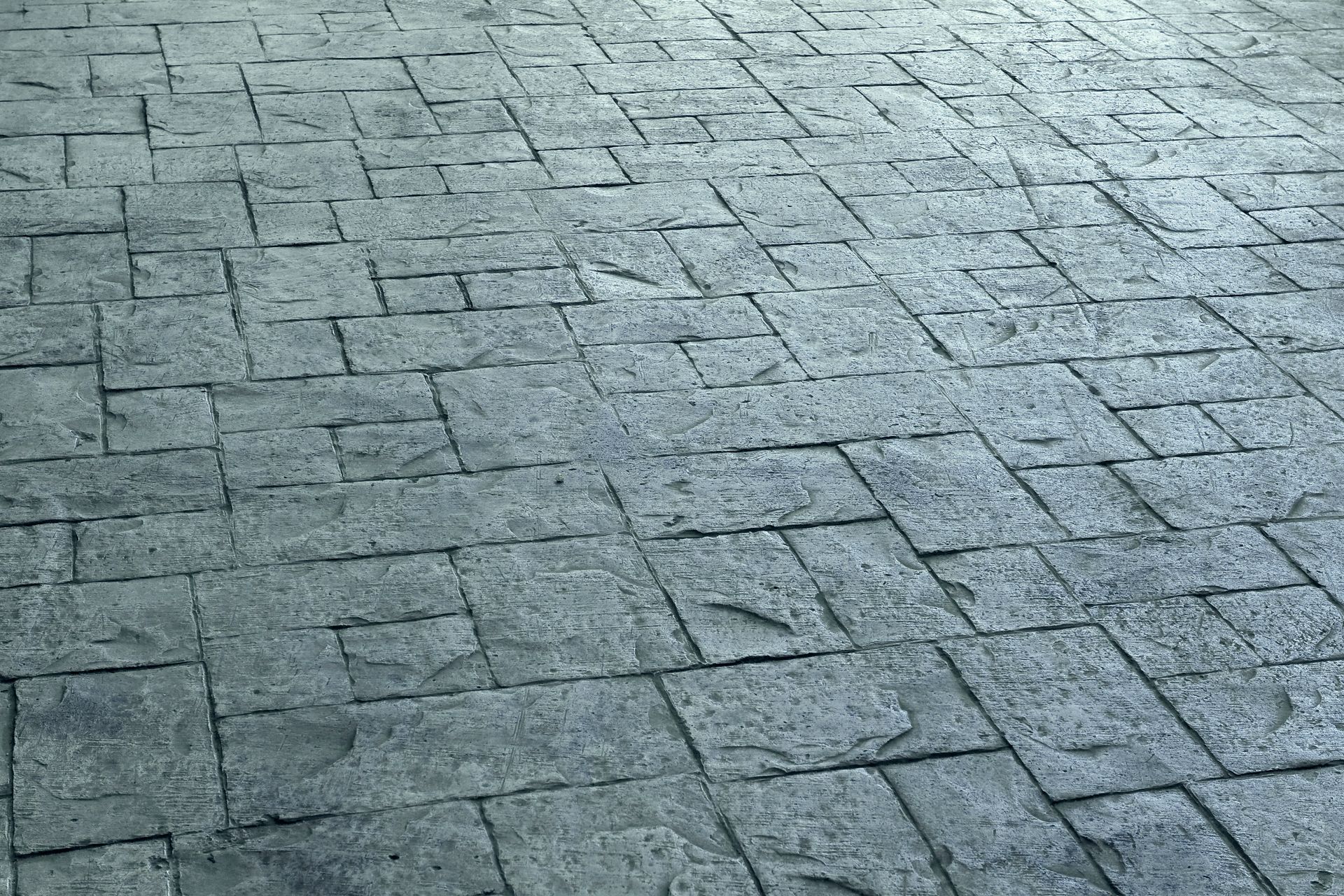
Stamped concrete patterns allow homeowners to replicate diverse materials on a budget. These patterns can mimic brick, slate, stone, and even wood, providing visual continuity with surrounding textures. Advanced stamping techniques create intricate designs that rival natural materials in appearance. The variety of patterns available enables versatility in design, enhancing aesthetic cohesion across different surfaces. This ability to effortlessly recreate luxurious materials is a favorite among homeowners.
Beyond replicating existing materials, stamped concrete also allows for unique pattern customizations. Homeowners can design motifs or layouts specific to their preferences, personalizing the space. These designs can reflect any stylistic theme, from modern sophistication to classic elegance. By collaborating with professionals, homeowners can ensure personalized results that elevate their outdoor aesthetics. This customization potential demonstrates stamped concrete as a versatile solution.
However, choosing the right stamped concrete pattern requires careful consideration. Factors like the surrounding environment, architectural style, and usage should influence the decision. Through thorough planning, homeowners can select patterns that enhance both functionality and design coherence. This strategic choice contributes to a harmonious outdoor setting. Opting for appropriate patterns ensures that stamped concrete maximizes its transformative potential effectively.
Decorative concrete has proven to be far more than a simple construction material. It represents a creative and practical solution that blends visual appeal, durability, and adaptability for homeowners looking to improve the exterior of their properties. Through techniques such as stamping, coloring, and exposed aggregate finishes, concrete surfaces can be transformed into attractive design elements that complement a home’s architecture and surrounding landscape. These possibilities make
decorative concrete an appealing option for those seeking both style and functionality in outdoor spaces. If you are seeking a reliable concrete company near Murfreesboro, TN, contact HMV Concrete today.