April 29, 2026
This introduction provides an overview of the key considerations when choosing between a concrete patio and a stone patio. It sets the stage for a detailed exploration of the attributes, maintenance, cost factors, and aesthetic impacts of each option. Whether you are redesigning your outdoor living space or building a new home, choosing the right patio material is crucial for ensuring both durability and appeal. Understanding the nuances between concrete and stone patios will help you make an informed decision that suits both your aesthetic desires and functional needs.
What Are the Differences Between Concrete Patios and Stone Patios?
Material Composition
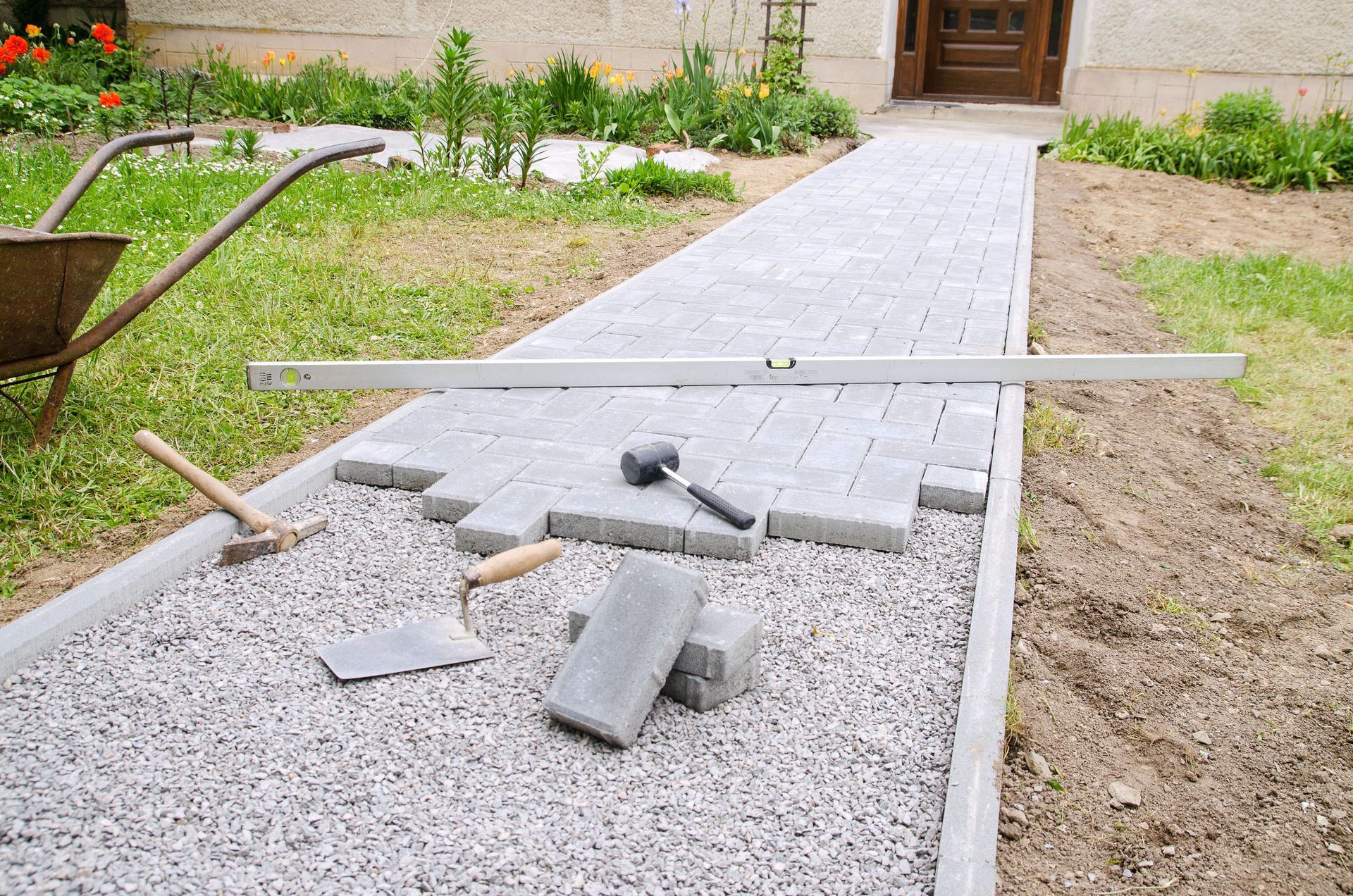
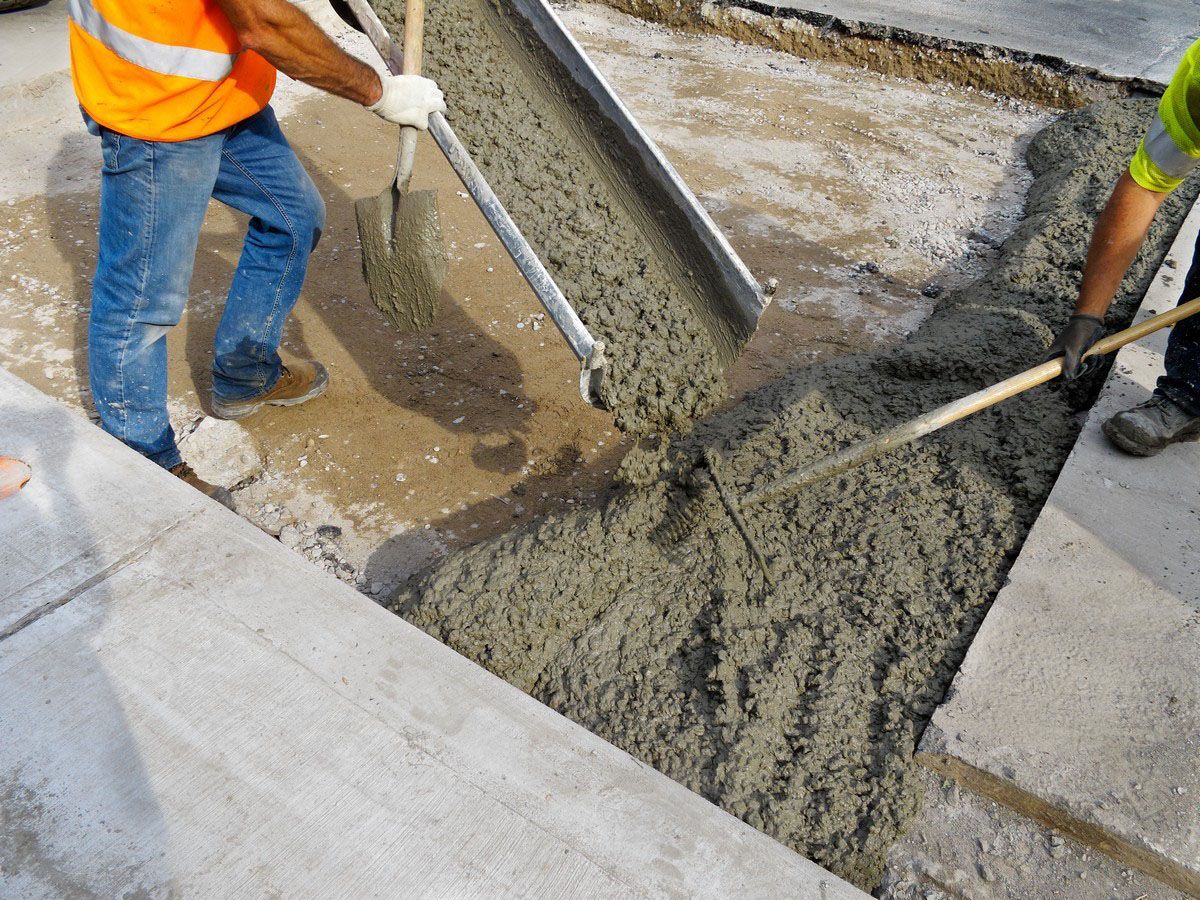
The material composition is one of the most defining differences between concrete patios and stone patios. Concrete patios consist of a mixture of cement, water, and aggregates such as sand, gravel, or crushed stone, which are poured and set in place, creating a solid slab. In contrast, stone patios are constructed from naturally occurring stones such as flagstone, slate, or granite, which are placed individually and often require jointing materials like sand or grout. This fundamental difference not only impacts the installation process but also influences the overall durability and aesthetic options available to homeowners.
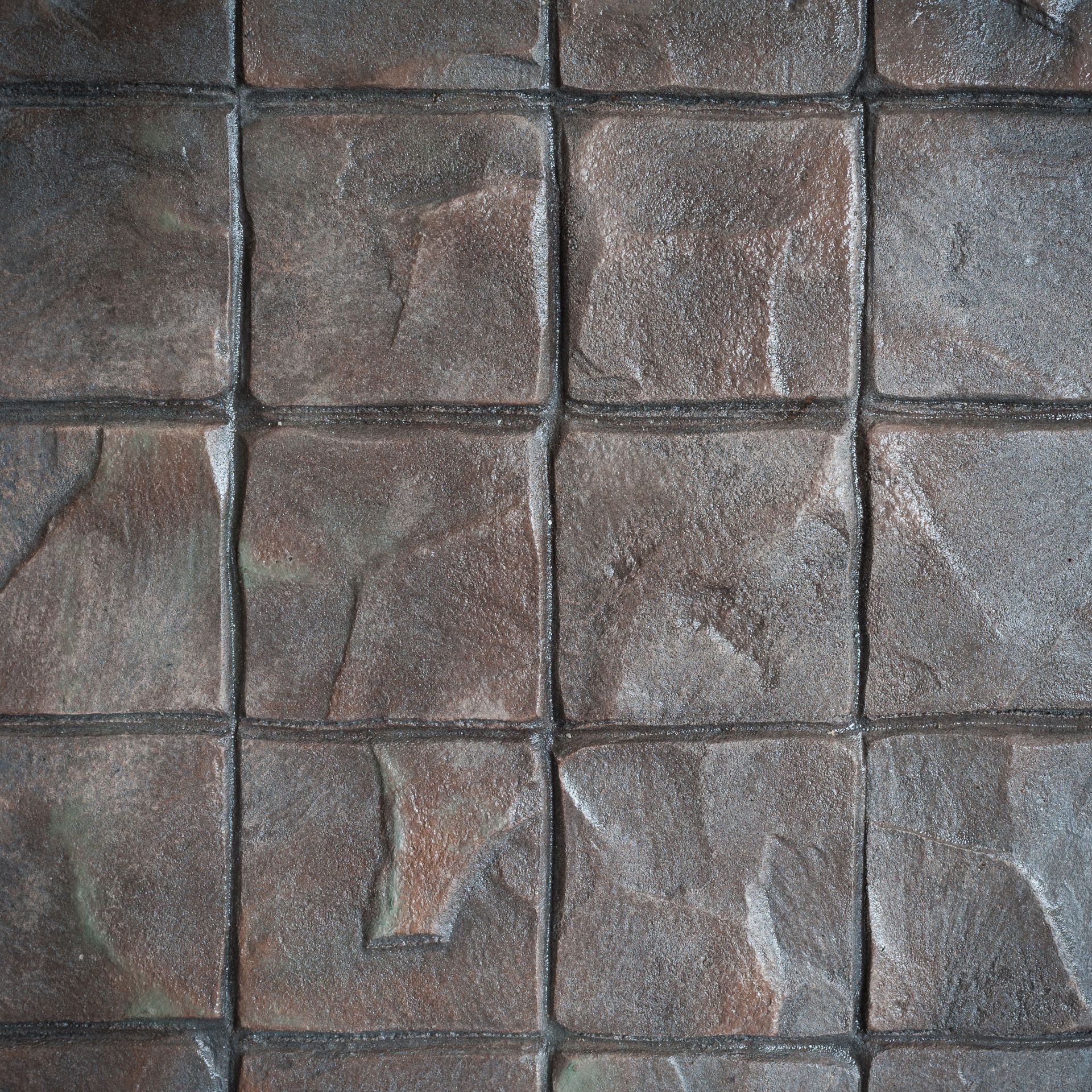
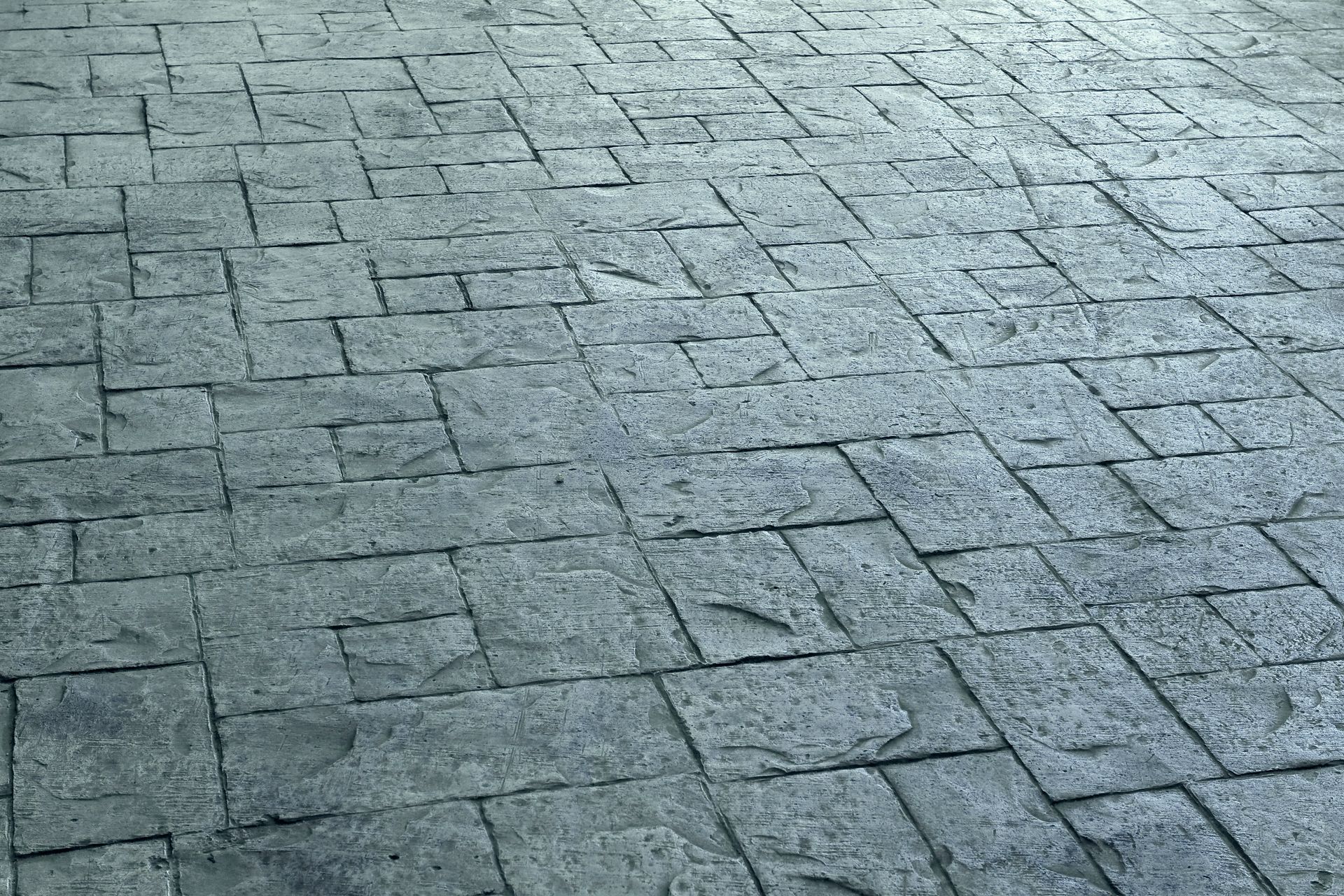
Due to their specific compositions, concrete patios often offer extensive customization options, allowing homeowners to experiment with different stains, stamps, and dyes to create unique patterns and textures. On the other hand, stone patios, revered for their natural beauty, offer a timeless elegance that harmonizes with various landscapes, creating an organic look difficult to replicate with artificial materials. Moreover, stone's natural variations in color and texture ensure that no two stone patios are identical, providing a one-of-a-kind outdoor feature.
Choosing between these materials requires consideration of both design preferences and structural requirements. Concrete is renowned for its strength and uniform appearance, making it a popular choice for contemporary designs. Conversely, natural stone offers diversity and an earthy aesthetic appeal, often preferred in rustic or traditional settings. Homeowners should assess their landscape style and functional needs to determine which material aligns best with their vision for their outdoor space.
Durability and Lifespan
Durability is a critical factor when selecting patio materials, as it determines the structure's ability to withstand environmental stresses. Concrete patios, when installed correctly and maintained adequately, can last upwards of 30 years. They are particularly resistant to wear from foot traffic and can endure various weather conditions with minimal damage. However, concrete is susceptible to cracking from freeze-thaw cycles if not properly installed or maintained, an issue less common in warmer climates.
Stone patios are often celebrated for their longevity, with materials such as granite and slate providing incredible durability; according to SelectDecks, a stone patio can last more than 50 years when installed correctly. Stone naturally resists ultraviolet rays and harsh weather conditions, staying cool underfoot during the summer and handling winter temperatures amicably. The inherent toughness of natural stone means that, provided individual pieces are laid correctly, these patios require less frequent repairs, offering homeowners long-term value.
Both material choices have intrinsic benefits, but the key to a long-lasting patio lies in quality installation and consistent maintenance. Homeowners must consider geographic location and environmental factors when prioritizing durability characteristics. Besides weather, foot traffic and intended use will influence the wear and tear on the patio surface, further guiding the selection process between concrete and stone.
How Much Maintenance Does Each Type of Patio Require?
Cleaning Requirements
Regular cleaning is crucial for maintaining the longevity and appearance of any patio, regardless of material choice. Concrete patios benefit from periodic washing, often requiring a simple rinse with water and, for more stubborn stains, mild detergent or a power wash at low pressure. This routine helps retain the surface's aesthetic appeal, removing dirt, debris, and potential staining substances.
Stone patios necessitate similar attention to maintain their natural allure, typically needing regular sweeping to prevent leaves and debris accumulation that could discolor joints or retain moisture. Although most stones are durable, using gentle cleaning agents specific to the stone type is advisable to preserve its integrity. Additionally, power washing at appropriate settings can remove surface buildup, revitalizing the stone's natural beauty.
Both patio types demand consistent care tailored to their specific material characteristics. By incorporating a straightforward cleaning routine, homeowners can ensure each patio type retains its visual and functional qualities over time. Consider consulting with professionals regarding cleaning products best suited for your chosen patio surface to avert any inadvertent damage while handling regular maintenance tasks.
Sealing and Repair Needs
Sealing and repairs play a crucial role in maintaining patio resilience and appearance. Concrete patios often benefit from regular sealing every 2-3 years, which safeguards against moisture intrusion, freeze-thaw damage, and surface wear. Sealing adds an extra protective layer, enhancing color retention while reducing the likelihood of cracks or other structural issues.
Natural stone patios also require sealing, though the frequency depends on stone type and environmental factors. Some stones need annual treatment to maintain protection against weather and daily wear, whereas others might require less frequent care. Properly sealed stone reduces susceptibility to staining and erosion, extending the patio's lifespan and aesthetic attributes.
Repairing damage is crucial for both materials, as neglected issues compound over time. Concrete repair might involve filling cracks or resurfacing entire sections to restore uniformity, whereas stone patios may only need repositioning or replacing individual stones. Evaluating wear and promptly addressing repairs ensures structural integrity and prevents minor damage from escalating into more significant complications.
What Are the Cost Differences?
Initial Installation Costs
Initial installation costs represent a primary consideration when choosing between concrete and stone patios. Concrete patios generally offer a more cost-effective solution due to lower material and labor expenses, especially advantageous for larger surfaces. Standard grey poured concrete proves extremely budget-friendly, though customization through coloring or stamping can incrementally elevate costs.
Stone patios require a significant financial investment upfront, attributed to material and skillful labor demands involved in their installation. Natural stone is inherently pricier than concrete mixtures, particularly when sourced from faraway locations. Skilled craftsmanship necessary to lay stones precisely and aesthetically also commands premium fees, distinguishing stone patios as luxury alternatives.
Homeowners considering budget constraints must weigh these cost differences against long-term desires and use cases. Concrete offers swift return through affordability, ideal for projects demanding rapid realization, whereas stone provides lasting beauty and prestige for those with flexible budgets seeking impressive finishes over initial price consideration.
Long-term Value
Assessing long-term value involves weighing the initial investment against the patio's lifespan and maintenance obligations. Concrete patios deliver excellent value through durability and ease of maintenance when correctly installed and regularly treated. The option to resurface or refinish enhances their adaptability across trends, allowing them to serve many years with a relatively modest upkeep routine.
Stone patios exhibit distinguished long-term value due to their exceptional longevity and resilience. With lifespans exceeding several decades when properly laid and cared for, the initial cost becomes a worthwhile investment for enduring elegance and minimal upkeep. Natural stone feature typically adds property value, enhancing the home’s overall market appeal.
Homeowners need to evaluate potential return regarding visual satisfaction, maintenance costs, and longevity of both materials. While concrete presents a sensible financial advantage, stone patios reward those valuing sustainable aesthetics and long-term investments, allowing for nuanced patio enjoyment over time.
The conclusion revisits the main points discussed in the article, offering a final comparison between concrete and stone patios based on the specified criteria, helping readers decide which patio best suits their needs and circumstances. Concrete patios offer affordability, versatility, and a relatively simple installation process for those seeking modern and customizable outdoor solutions.
Meanwhile, stone patios provide extraordinary endurance, aesthetic elegance, and ecological harmony, albeit with higher initial investments and intricate installation demands. Homeowners should consider these factors in tandem with personal taste, geographic location, and budget constraints to determine which material aligns with their outdoor living goals and preferences. Ultimately, both options add value, usability, and aesthetic appeal to outdoor spaces, enhancing enjoyment and creating a lasting impression. Reach out to HMV Concrete today to see how we can help you!