February 25, 2026
Concrete driveways are a smart investment for homeowners seeking long-term durability, low maintenance, and flexible design options. With the right mix design and finishing techniques, they deliver reliable performance under daily vehicle loads while enhancing curb appeal. From strength and longevity to environmental considerations and customization, understanding how concrete performs helps you make informed decisions that protect your property value and improve everyday usability.
Understanding the Basics of Concrete Driveways
Concrete Composition and Strength
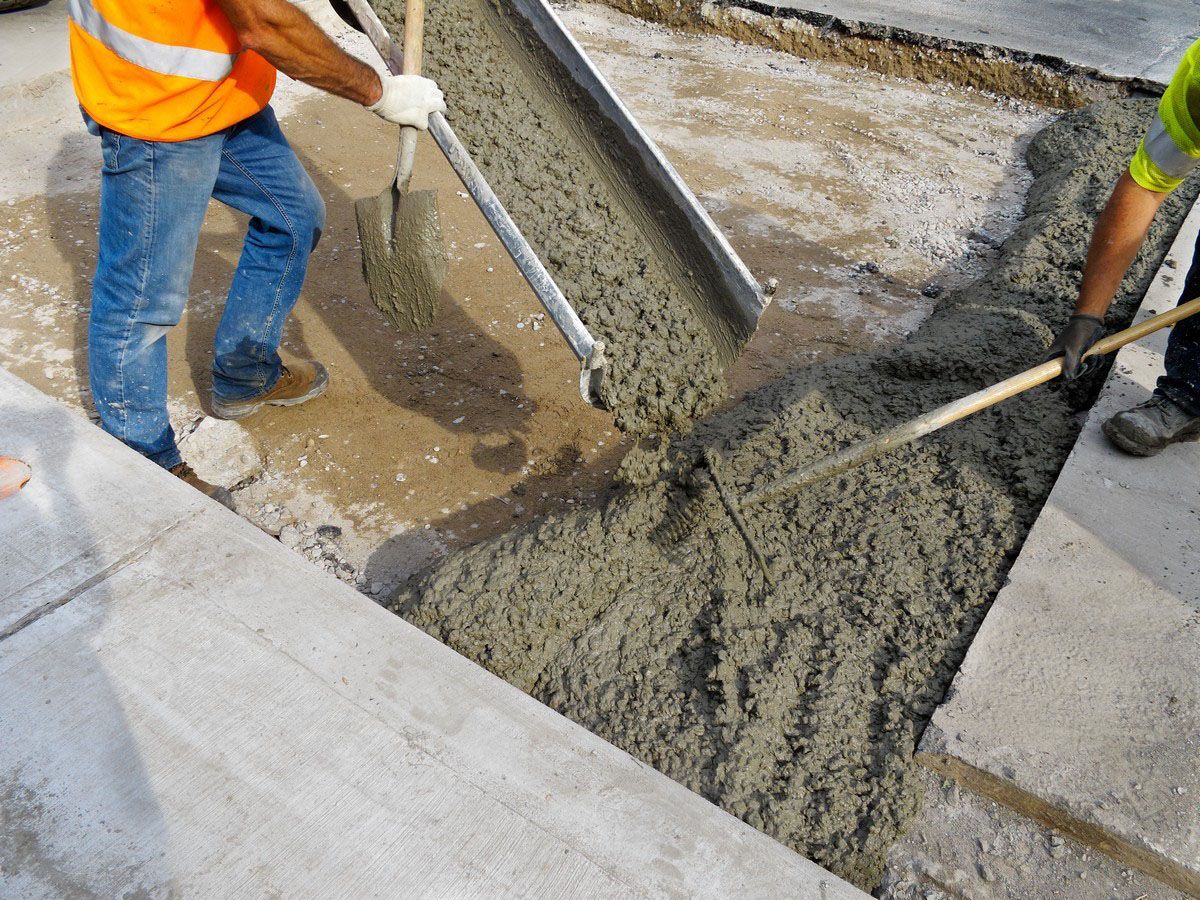
Concrete is composed of a mixture of cement, water, sand, and gravel, which together form a durable and stable material. When these components are mixed in the right proportions, they create a hard surface known for its exceptional strength. The compressive strength of concrete is one of its most notable features, making it ideal for driveways that bear heavy loads. Concrete’s robustness is further enhanced by the curing process, which involves maintaining adequate moisture levels for complete hydration. This results in a dense microstructure that delivers lasting performance.
The strength of a concrete driveway is primarily determined by its mix design, which dictates the ratio of components. A mix design tailored for driveways typically emphasizes higher cement content to boost strength. According to the Michigan Concrete Association, a well-built concrete driveway should last 30 to 40 years. This lifespan underscores the material’s resilience and suitability for long-term applications in residential settings. Ultimately, understanding the composition of concrete is crucial for constructing a driveway that balances strength and longevity.
Benefits of Using Concrete for Driveways
Concrete driveways offer a multitude of advantages for homeowners, ranging from durability to aesthetic appeal. One of the primary benefits is its impressive lifespan, which can surpass other common materials like asphalt or gravel. This extended longevity results in cost savings over time, as the need for repairs and replacements is minimized. Concrete also offers superior load-bearing capabilities, crucial for driveways that accommodate vehicles of various sizes. Its strength makes it less susceptible to warping and ruts, ensuring a consistently smooth surface.
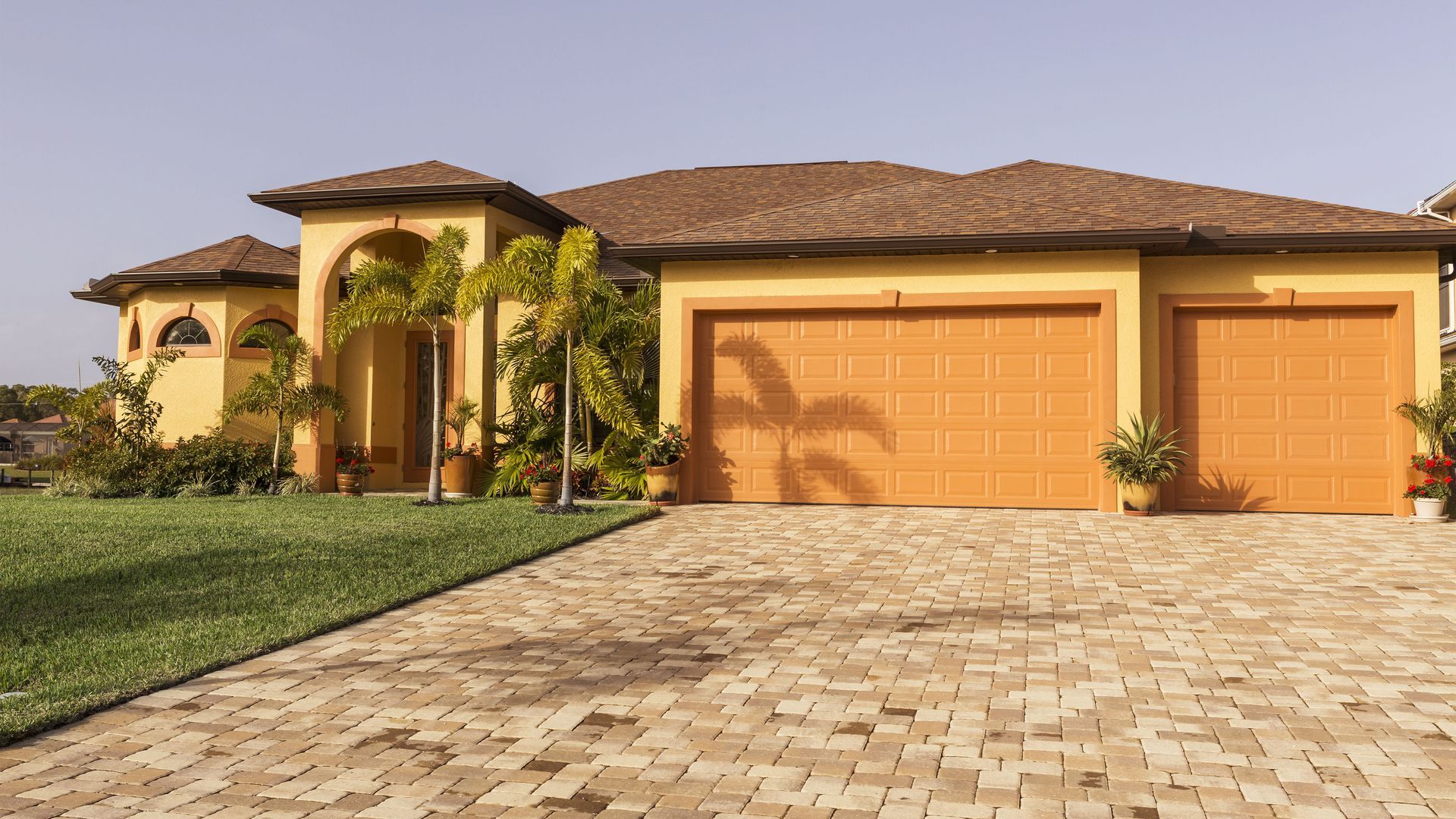
In addition to its functional advantages, concrete provides numerous aesthetic options that can enhance the curb appeal of a home. Decorative finishes, such as stamping and staining, can mimic the appearance of higher-end materials like stone or brick at a fraction of the cost. This versatility allows homeowners to customize the look of their driveways to align with their design preferences and the architectural style of their home. Moreover, concrete’s neutral color palette can complement a range of landscaping and exterior color schemes, further boosting its visual appeal.
Environmental Impact of Concrete Driveways
The environmental impact of a concrete driveway is a multifaceted consideration that involves production, installation, and long-term effects. Traditional concrete production is linked to significant carbon dioxide emissions due to cement manufacturing. However, advancements in technology have introduced methods for reducing these emissions, such as the incorporation of recycled aggregates and supplementary cementitious materials. These innovations help mitigate the environmental footprint associated with a concrete driveway, aligning with sustainable building practices.
Design Elements to Enhance Curb Appeal
Color Options and Staining Techniques
Concrete driveways can be transformed from bland greyscapes into vivid and dynamic surfaces through various coloring techniques. Homeowners can select from a broad spectrum of hues to ensure their driveway complements the home’s exterior and surrounding landscape. Integral color, where pigment is mixed throughout the concrete, is an effective way to achieve fade-resistant and uniform color. Alternatively, surface-applied stains can provide vibrant or subtle tones, offering an array of expressive options for those aiming to customize their driveways further. These choices enhance not merely the aesthetics but can also improve the overall value of the property.
Staining techniques can be employed to simulate the appearance of natural stone or other unique textures, broadening the scope of design possibilities. Acid-based or water-based stains react with the concrete to create rich, earth-toned colors that imbue driveways with sophistication. This approach allows homeowners to mimic more luxurious surfaces, such as marble or granite, without incurring the exorbitant cost associated with authentic materials. Additionally, stains contribute to a driveway’s resistance to fading and weathering, maintaining the vibrancy of the colors chosen for many years.
Decorative Finishes and Textures
Decorative finishes and textures can transform a straightforward concrete driveway into a visually engaging feature that enhances the curb appeal of any home. Techniques such as broom finishes, exposed aggregates, and brushed textures add unique visual interest and a sophisticated touch. A broom finish, created by dragging a broom across the freshly poured concrete, provides not only an appealing texture but also functionally enhances skid resistance. Exposed aggregate finishes, where the top layer of cement is washed to reveal embedded stones, create a striking visual effect reminiscent of a natural stone surface.
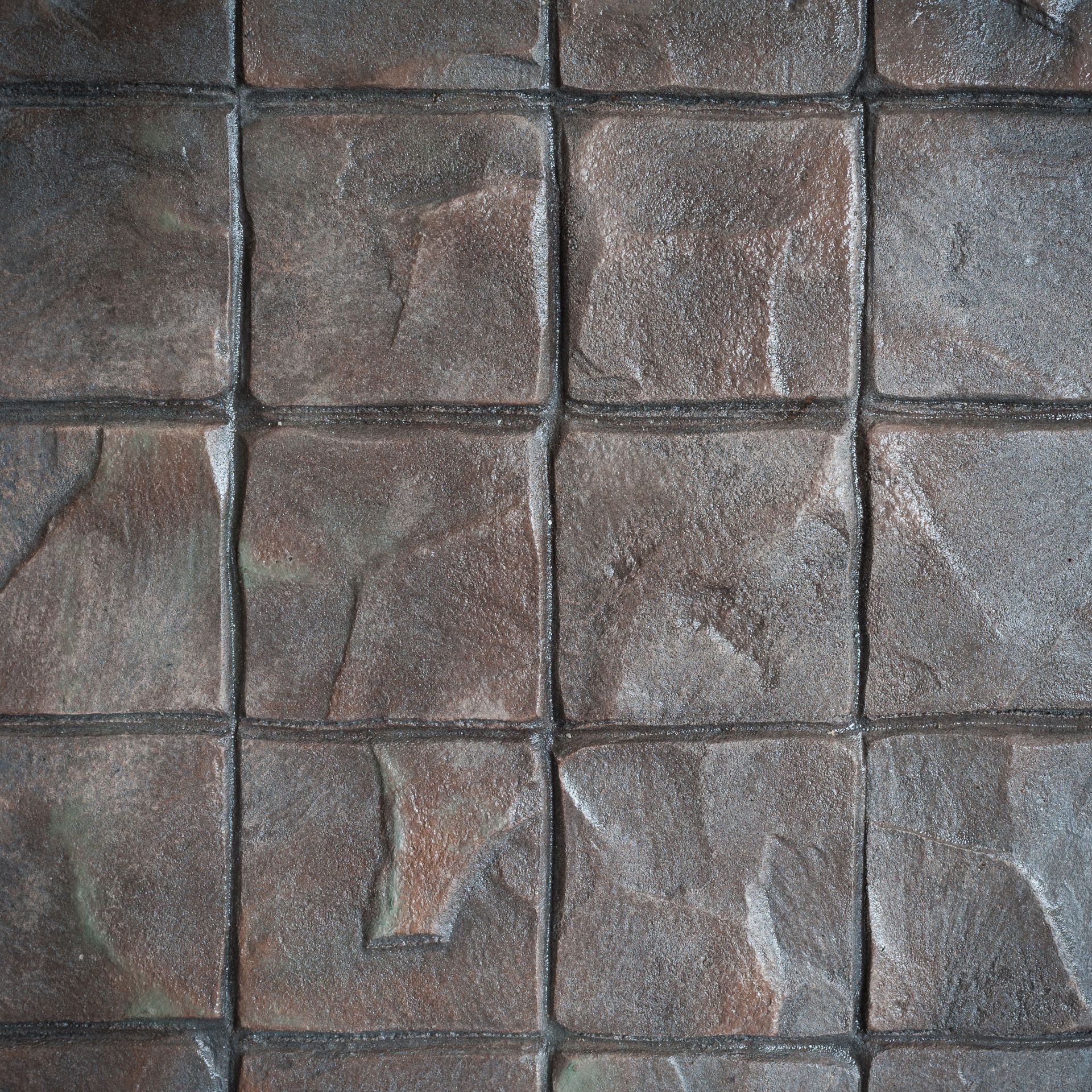
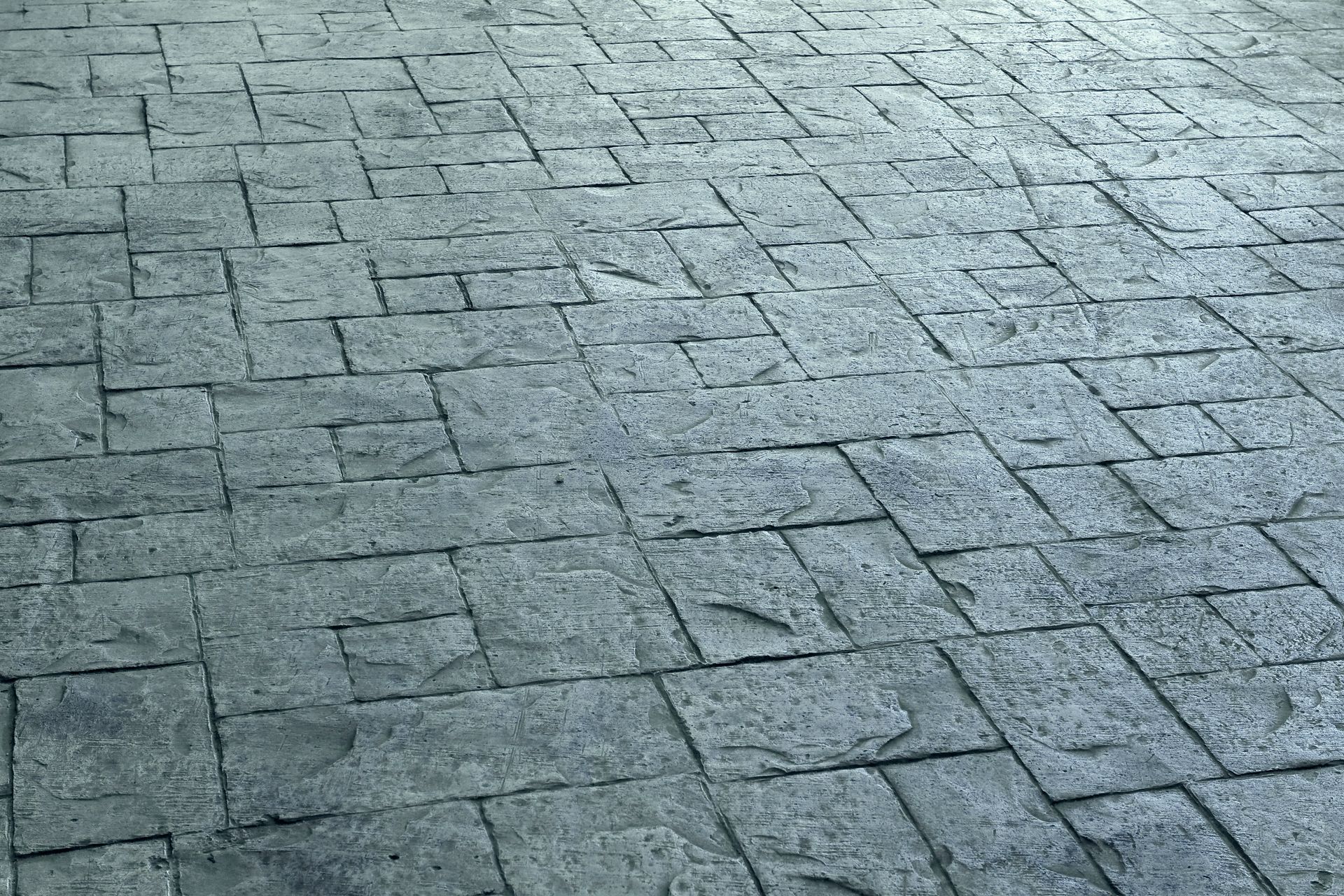
Stamped concrete is another popular choice for homeowners looking to incorporate decorative elements into their driveways. This technique involves imprinting patterns onto the surface of freshly poured concrete, allowing it to mimic the look of brick, slate, tile, or even wood. Stamping can be combined with coloring techniques to more closely replicate the textures and color diversity of these materials. The result is a high-end appearance that can significantly elevate a property's exterior aesthetic without the associated high price point of genuine materials.
Incorporating Patterns and Stamps
Patterns and stamps allow homeowners to express creativity in their driveway design, converting an otherwise mundane surface into an impressive architectural feature. Stamped patterns can emulate a variety of textures, such as cobblestone, brick, or flagstone, offering the luxurious appearance of these materials without the intensive labor and cost. The careful placement of these patterns can draw the eye along specific sightlines or blend harmoniously with the architectural style of the house. Such designs not only boost the home’s visual appeal but can also enhance its market value.
The versatility of stamped concrete extends beyond the mere replication of traditional materials. Homeowners can opt for geometric patterns or custom designs that reflect their personal taste and complement their landscaping. The ability to incorporate logos, monograms, or themed motifs also appeals to clientele desiring personalized architectural expressions. It’s a way to articulate individual pockets of style within a coherent design plan, integrating the driveway effortlessly into the overall aesthetic panorama of the home.
Customizing Driveways for Unique Home Styles
Customizing concrete driveways to suit the architectural style of a home provides an opportunity for homeowners to create a cohesive and harmonious exterior aesthetic. For instance, modern homes might benefit from sleek, monochromatic color schemes and geometric patterns that echo the clean lines common in contemporary architecture. Alternatively, traditional or colonial-style homes could utilize stamped concrete with brick or cobblestone patterns to evoke classic elegance. This thoughtful thematic integration enhances the overall appeal of the property, ensuring the driveway complements rather than detracts from the home’s exterior design.
In addition to aesthetic considerations, customization can address functionality specific to home style and usage. For example, wider driveways might be desirable in suburban or rural settings where houses typically possess more expansive plots. In contrast, urban environments may prioritize space-efficient designs that maximize parking but accommodate limited space. Custom sizing, splitting, and layout also allow driveways to cater to specific needs, such as accommodating multiple vehicles or blending into existing landscaping and hardscaping plans.
Choosing concrete driveways means balancing performance, aesthetics, and sustainability to create a surface that lasts for decades. With modern mix designs, decorative finishes, and eco-conscious options like permeable concrete, homeowners can achieve both function and style without compromising durability. When properly installed and maintained, a concrete driveway becomes a long-term asset that elevates curb appeal, supports daily use, and delivers dependable value over time. Increase your property value today with a new concrete driveway by contacting HMV Concrete today!